The Science Behind Heat Protectant: What It Does and How It Works
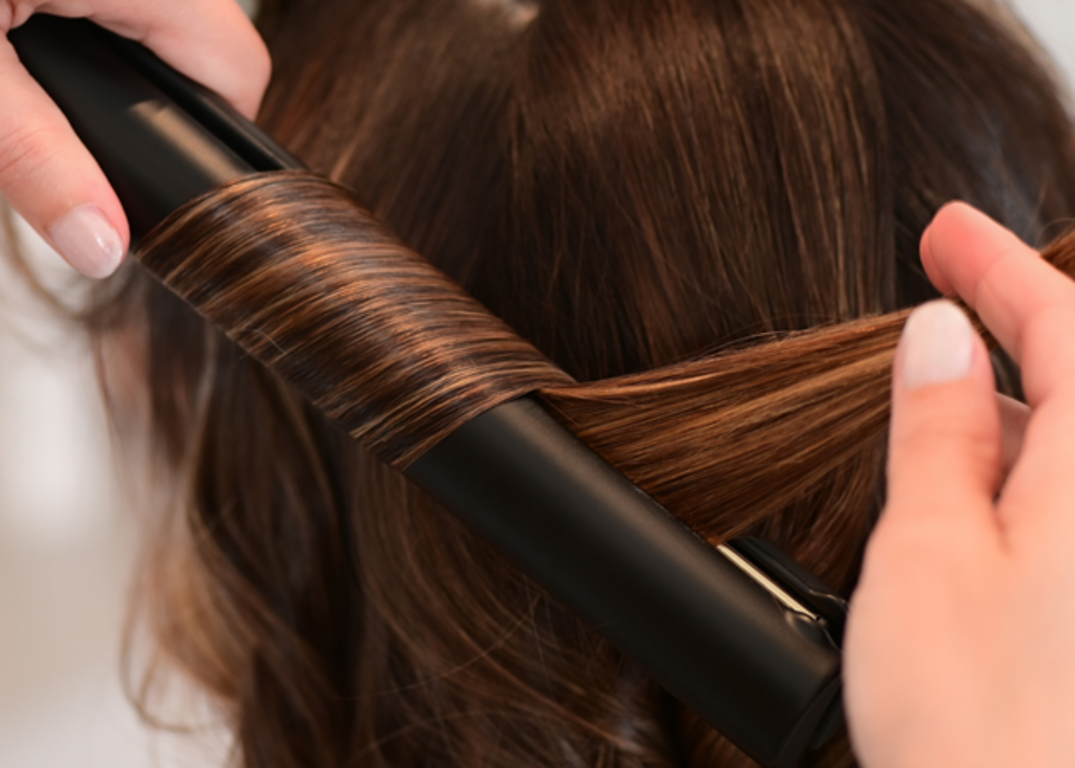
From blow-drying to flat-ironing, heat styling tools are a daily essential for many, but they can do serious damage to your hair if you're not careful. That’s where heat protectants come in. These products create a protective barrier between your hair and high temperatures, helping to reduce breakage, dryness and long-term damage. If you regularly style your hair with heat, now is the time to make heat protection a non-negotiable step in your routine. Read on to learn how it works, what to look for and which products actually deliver.
What Does Heat Protectant Do for Your Hair?
A heat protectant coats your hair with ingredients designed to resist high temperatures, often up to 450 degrees Fahrenheit. This coating slows the transfer of heat, helping to lock in moisture and shield the hair cuticle from direct exposure. The result is less frizz, fewer split ends and a smoother, shinier finish after styling.
Key Ingredients That Make Heat Protectant Effective
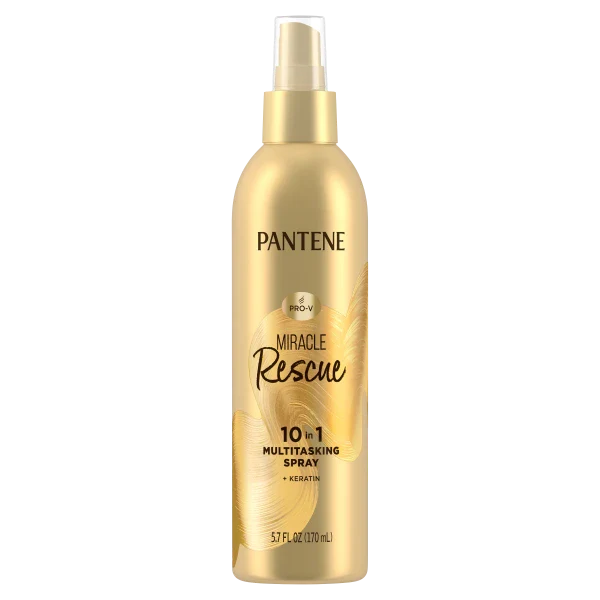
Effective heat protectants often contain silicones like dimethicone or cyclopentasiloxane, which provide slip and barrier protection. You may also see hydrolyzed proteins, which temporarily fill in gaps in the hair shaft for a smoother finish, and humectants like glycerin, which help retain moisture. Pantene’s Pro-V Heat Primer Thermal Heat Protection is a great example of a silicone-based protectant that helps prevent heat damage while smoothing the hair.
What Can Be Used as a Heat Protectant for Hair?
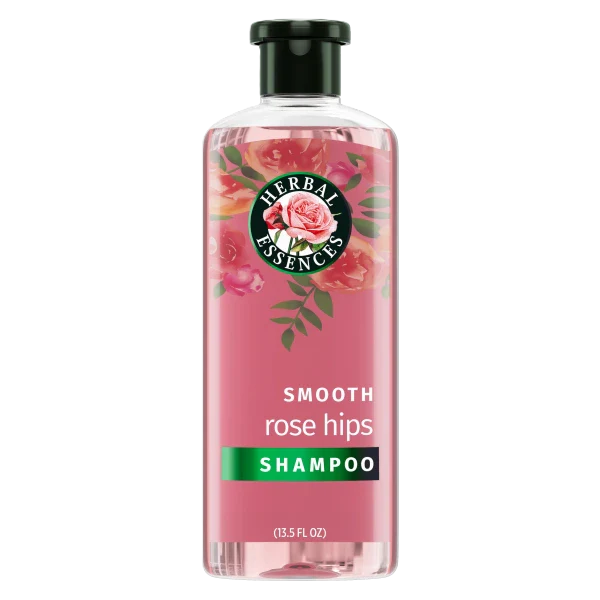
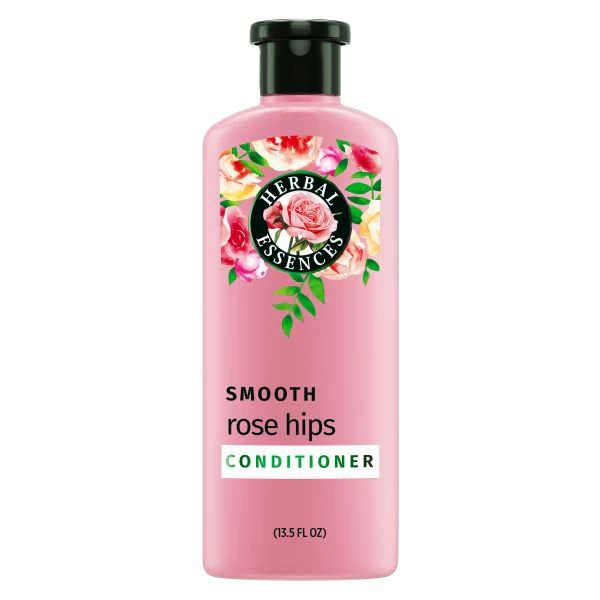
If you’re looking for a store-bought solution, there are plenty of options on the market. Sprays, creams and serums can all serve as effective heat protectants. Products from Herbal Essences, such as their Argan Oil & Aloe Heat Protect Spray, provide lightweight protection and leave a pleasant scent behind.
Natural Oils and Their Limitations
Some people turn to natural oils like coconut, argan or grapeseed oil as heat protectants. These oils offer a degree of thermal protection due to their high smoke points, but they don’t form the same heat-resistant barrier as commercial products. Additionally, oils can weigh down fine hair and may not distribute evenly without dilution.
What Can Be Used as a Heat Protectant When You Don’t Have One?
When in a pinch, you might reach for a leave-in conditioner or a serum with hydrating properties. These don’t offer the same level of protection as a dedicated heat protectant, but they can help reduce the risk of immediate dryness or brittleness.
Quick Fixes and When to Avoid Heat Styling Altogether
If you’re without any product that explicitly protects against heat, it’s often better to air dry or opt for heat-free styles. Over time, even one session of high-heat exposure without protection can lead to cumulative damage.
What Can Be Used as a Heat Protectant for Your Hair Type
Not all heat protectants are created equal. Fine hair benefits from light sprays that won’t weigh it down, while coarser or curly hair often needs richer formulas to seal in moisture.
Lightweight vs. Heavy Protectants
For finer textures, try Head & Shoulders’ Royal Oils Daily Scalp Treatment, which offers a light touch with added scalp benefits. For thicker or textured hair, Mielle’s Mongongo Oil Thermal & Heat Protectant Spray delivers intense nourishment while guarding against damage.
About HairCode, backed by decades of hair care research and industry-leading cosmetic scientists
We’re obsessed with hair and the science behind what makes it look and feel amazing. Our dedicated team leverages years of extensive haircare research and product development led by pioneering cosmetic scientists, PhDs in Biology and Chemistry, along with esteemed professional hair stylists from around the globe. Our goal is to be the most accurate and easy-to-use platform for you to learn about your hair. Our HairCode Quiz is built to harness a wealth of haircare research to give you a straightforward and science-backed haircare regimen recommendation based on questions that matter. We know that hair can be complicated. That’s why we break it down for you piece by piece with your unique HairCode. So, let's get to the root of it... Because we are here to support you on a journey of self-discovery and love for your hair.