Finding the Perfect Hair for Senegalese Twists
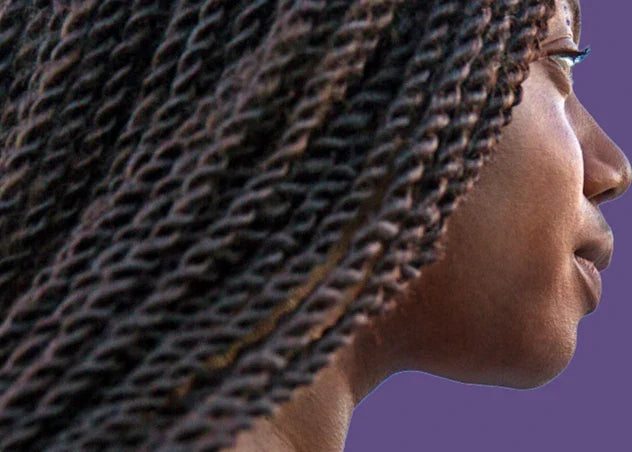
Senegalese twists are a popular protective hairstyle known for their sleek appearance and versatility. Choosing the right hair is essential for creating beautiful Senegalese twists, whether you are just starting or already experienced. Let's explore what type of hair works best for Senegalese twists and share some tips for styling and caring for your hair.
What Hair Do I Use for Senegalese Twists?
-
Kanekalon Hair
Is often considered one of the best options due to its smooth texture and natural look. It's easy to work with and holds up well over time.
-
Toyokalon Hair
Known for being softer than Kanekalon, Toyokalon offers a silkier finish, which can be great if you prefer less tension during installation.
-
Marley Hair
While not as commonly used specifically for Senegalese twists, Marley's hair provides a coarser texture that some might find appealing.
Why Kanekalon Is Often Seen as Best Hair For Twists
Kanekalon is widely favored because it effectively mimics natural Afro-textured hairstyles, while being lightweight so it doesn’t excessively weigh down scalp. Plus, its durability means fewer touch-ups are needed.
How To Choose The Right Length And Color
When considering what length or color suits you best:
- Longer styles like buns or ponytails provide more options for styling.
- Different colors can inject energy into your look; ombre styles are especially popular now!
Senegalese Twists How To - A Quick Overview
To achieve flawless Senegalese twists, follow these steps:
-
Preparation
Thoroughly wash your natural hair; clean strands offer improved grip.
-
Sectioning
Divide your head into small sections using clips—this helps manage tangles during twisting.
-
Installation
Begin twisting from root to tip, ensuring each twist remains tight but comfortable—avoid pulling too hard!
-
Finishing Touches
Dip ends in hot water (if using Kanekalon), which seals them neatly without unraveling.
Maintenance Tips For Long-lasting Twists
To keep those gorgeous twists looking fresh:
- Regularly moisturize both scalp & strands using lightweight oils like jojoba or argan oil.
- Wear satin scarves at night, to help prevent frizz & breakage caused by friction against pillowcases!
About HairCode, backed by decades of hair care research and industry-leading cosmetic scientists
We're obsessed with hair and the science behind what makes it look and feel amazing. Our dedicated team leverages years of extensive haircare research and product development led by pioneering cosmetic scientists, PhDs in Biology and Chemistry, along with esteemed professional hair stylists from around the globe. Our goal is to be the most accurate and easy-to-use platform for you to learn about your hair. Our HairCode Quiz is built to harness a wealth of haircare research to give you a straightforward and science-backed haircare regimen recommendation based on questions that matter. We know that hair can be complicated. That's why we break it down for you piece by piece with your unique HairCode. So, let's get to the root of it... Because we are here to support you on a journey of self-discovery and love for your hair.
FAQ
Can I use human hair instead of synthetic?
Yes! Human extensions offer more flexibility regarding heat styling, but tends to be more expensive than synthetics like Kanekalon or Toyokalon fibers.
How long do senegalese twists typically last?
With proper care, including regular moisturizing and gentle handling techniques (avoiding excessive pulling), they usually last 6 to 8 weeks before needing a refreshment!
In conclusion, selecting the ideal extension type is integral in achieving beautiful yet practical protective styles like Senegalese Twists! By understanding the various options available alongside the effective maintenance strategies outlined above—you'll soon master the form behind crafting locks everyone admires.