Decoding Hair Fall: A Practical Guide to What's Normal and What's Not
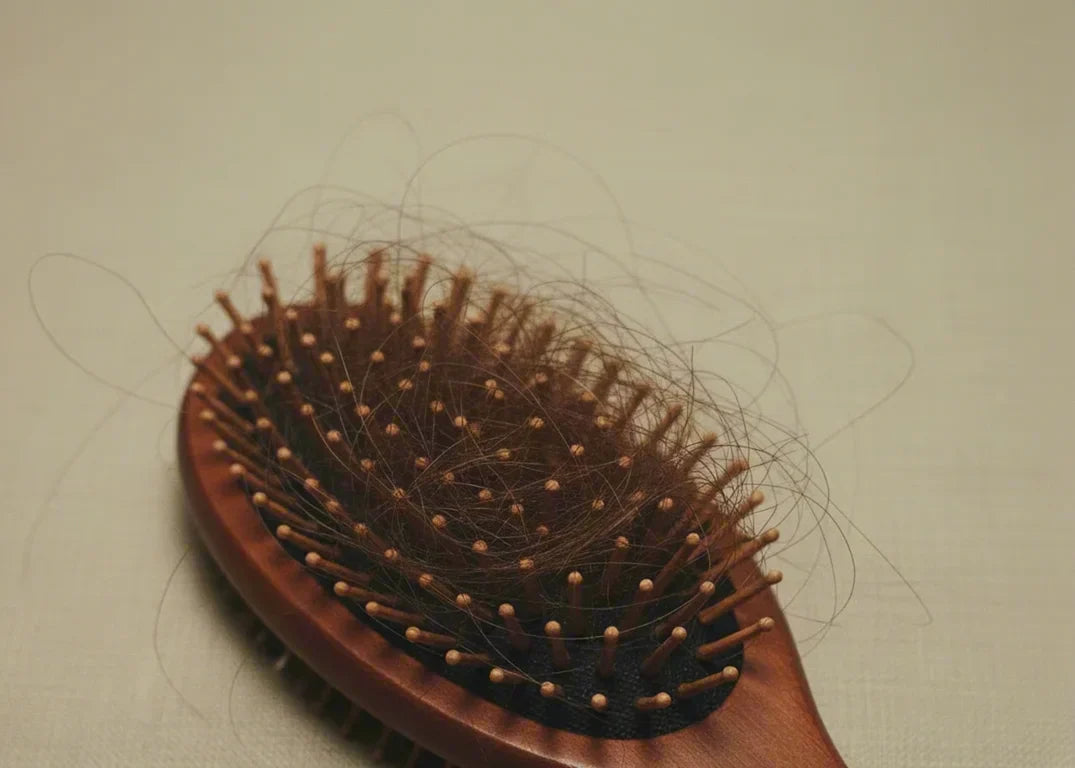
It's a moment that fills us with dread: finding a clump of hair in the shower drain or a tangle of strands stuck in our hairbrush. The immediate reaction is often panic. But before you jump to the worst conclusion, let’s take a breath. Some hair fall is not only normal—it’s a necessary part of your hair’s natural life cycle.
The key is learning to decode what your hair is telling you. Is this routine shedding, or is it a sign of something more, like breakage or scalp stress? This guide will walk you through how to tell the difference, identify the common culprits, and build a routine that keeps your hair right where you want it: on your head.
The "Normal" Shedding Test: What to Look For
Forget trying to count every single strand. The "normal" range of 50-150 hairs shed per day looks dramatically different for everyone. Someone with long, thick, dark hair will notice a much more significant-looking clump than someone with short, fine, blonde hair, even if they’re losing the same number of strands.
Instead of counting, become an expert on your normal. Pay attention to the consistency over a few weeks. Is the amount you see in your brush or after a shower relatively stable? If that’s the case, you’re probably observing the last stage of the hair growth cycle, called the Exogen phase, during which old hairs are shed to allow for new ones to grow. This is a healthy, natural process. The alarm bells should only ring when you notice a sudden and significant increase from your personal baseline.
Decoding the Culprits: Shedding vs. Breakage
When you see more hair fall than usual, it’s time to play detective. Not all fallen strands are created equal. Recognizing which type of hair loss you have is essential for finding an effective solution, as there are two main categories.
Shedding (from the root): Pick up a fallen strand and look closely at one end. Do you see a tiny white bulb? That’s the root. This indicates the hair has completed its life cycle and was released from the follicle. An increase in this type of loss can be triggered by factors that affect your scalp and internal body, like stress, hormonal shifts, or seasonal changes.
Breakage (from the shaft): If you examine a strand and see no bulb, and it looks snapped or shorter than your hair's full length, you’re dealing with breakage. This is caused by damage to the hair fiber itself, making it weak and fragile. The culprits are usually external: heat styling, chemical treatments, and even rough handling.
Your Action Plan for Healthy Hair
Once you know what you’re dealing with, you can take targeted action.
If You’re Seeing More Shedding (with roots):
Focus on your scalp. Think of it as the garden where your hair grows. A healthy garden yields strong plants. Recent studies have highlighted that scalp oxidative stress—damage from things like UV rays, pollution, and product buildup—can weaken hair at the root, leading to more shedding. This is often why you might notice more hair fall during certain seasons, like autumn.
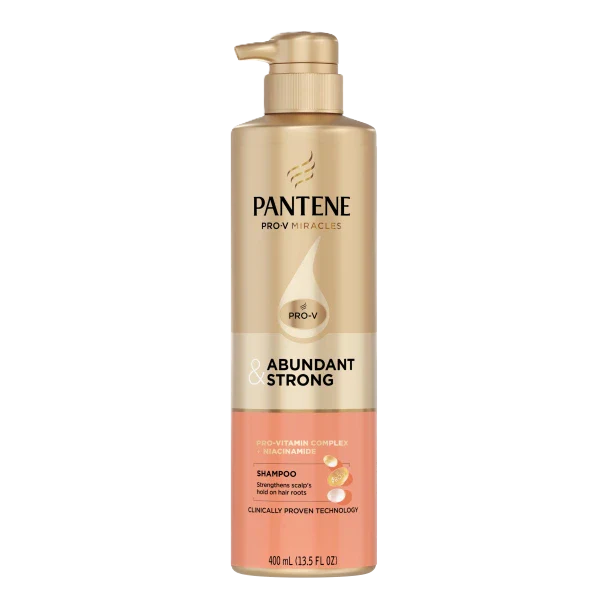
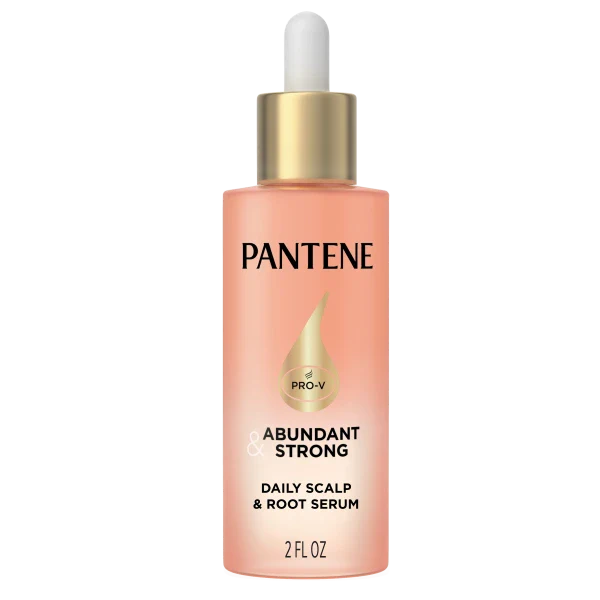
Tip: Fortify your scalp’s defenses with targeted ingredients. Look for products containing antioxidants and barrier-strengthening ingredients like Niacinamide. The Pantene Abundant & Strong shampoo, conditioner and scalp serum, which features a Pro-Vitamin Complex and Niacinamide, is clinically proven to reduce hair loss by combatting scalp oxidative stress, helping you keep more of your hair.
If You’re Seeing More Breakage (no roots):
Your focus should be on strengthening and protecting the hair you have. Damaged hair has a lifted, roughed-up cuticle, making it vulnerable to snapping. It's especially vital for fragile textured hair, as well as for hair that has undergone dyeing or chemical treatments.
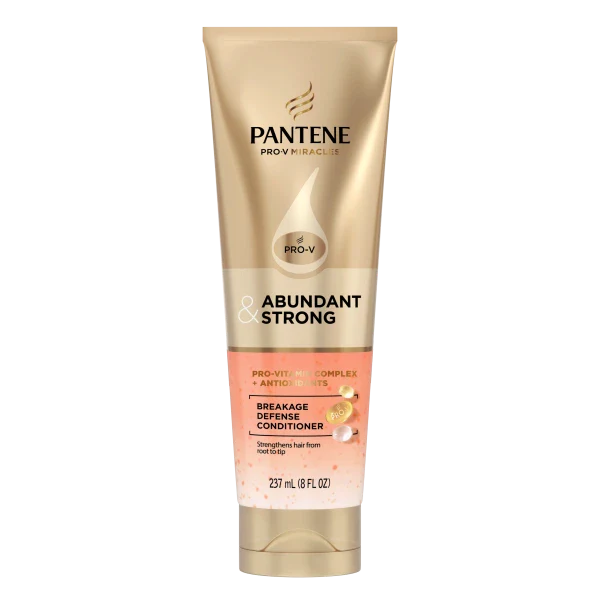
Tip: Never underestimate the power of a great conditioner and heat protectant. A strengthening conditioner smooths the hair cuticle and reinforces its internal structure. Lab tests show that a formula like Pantene’s Abundant & Strong Conditioner can reduce hair loss from breakage by up to 85%. And if you use heat tools, a heat protectant like Pantene Pro-V Miracle Rescue 10-in-1 Multitasking Leave-in Spray is non-negotiable. It creates a shield between your hair and damaging temperatures, dramatically reducing the risk of breakage.
Myth-Busting Corner: Does Conditioner Cause Hair Loss?

Let’s clear this up once and for all: No, conditioner does not cause hair loss. It often feels that way because conditioner provides slip, which helps release the hairs that have already shed from the scalp but were tangled up with your other strands. In reality, conditioner is your number one ally against breakage-related hair fall. By strengthening and moisturizing your hair, it makes it more resilient and less likely to snap.
Conclusion
Seeing hair in your brush doesn't have to be a source of stress. By understanding the difference between natural shedding and preventable breakage, you can take control of your hair’s health. Focus on nourishing your scalp to reduce shedding from the root and strengthening your strands to prevent breakage. With a little knowledge and the right routine, you can keep your hair looking full, healthy, and beautiful.
About HairCode, backed by decades of hair care research and industry-leading cosmetic scientists
We’re obsessed with hair and the science behind what makes it look and feel amazing. Our dedicated team leverages years of extensive haircare research and product development led by pioneering cosmetic scientists, PhDs in Biology and Chemistry, along with esteemed professional hair stylists from around the globe. Our goal is to be the most accurate and easy-to-use platform for you to learn about your hair. Our HairCode Quiz is built to harness a wealth of haircare research to give you a straightforward and science-backed haircare regimen recommendation based on questions that matter. We know that hair can be complicated. That’s why we break it down for you piece by piece with your unique HairCode. So, let's get to the root of it... Because we are here to support you on a journey of self-discovery and love for your hair.
FAQ
Below are answers to some of the most common questions about hair shedding and hair health.
How do hair shedding and hair loss differ?
Hair shedding is the natural, daily process of losing 50-150 hairs from the root as part of the hair growth cycle. Alopecia, or hair loss, describes a state where hair growth is interrupted or stops, causing thinning or the appearance of bald patches. If you notice bald spots or a dramatic, widespread thinning, it’s time to consult a healthcare professional.
Is postpartum hair loss permanent?
No, it's typically temporary. During pregnancy, hormonal changes keep hair in the growth phase longer. The drop in hormone levels after delivery causes a significant number of hairs to begin shedding all at once. This can be alarming, but as your hormones stabilize, your hair growth cycle will return to normal.
Can stress and diet really make my hair fall out?
Absolutely. Elevated physical or emotional stress can prematurely move more hair into the shedding phase, a state referred to as telogen effluvium. Likewise, deficiencies in key nutrients like iron, protein, and certain vitamins can disrupt healthy hair growth and lead to increased shedding. Healthy hair relies fundamentally on a balanced diet and effective stress management.