
Your Guide to a Calm, Flake-Free Scalp
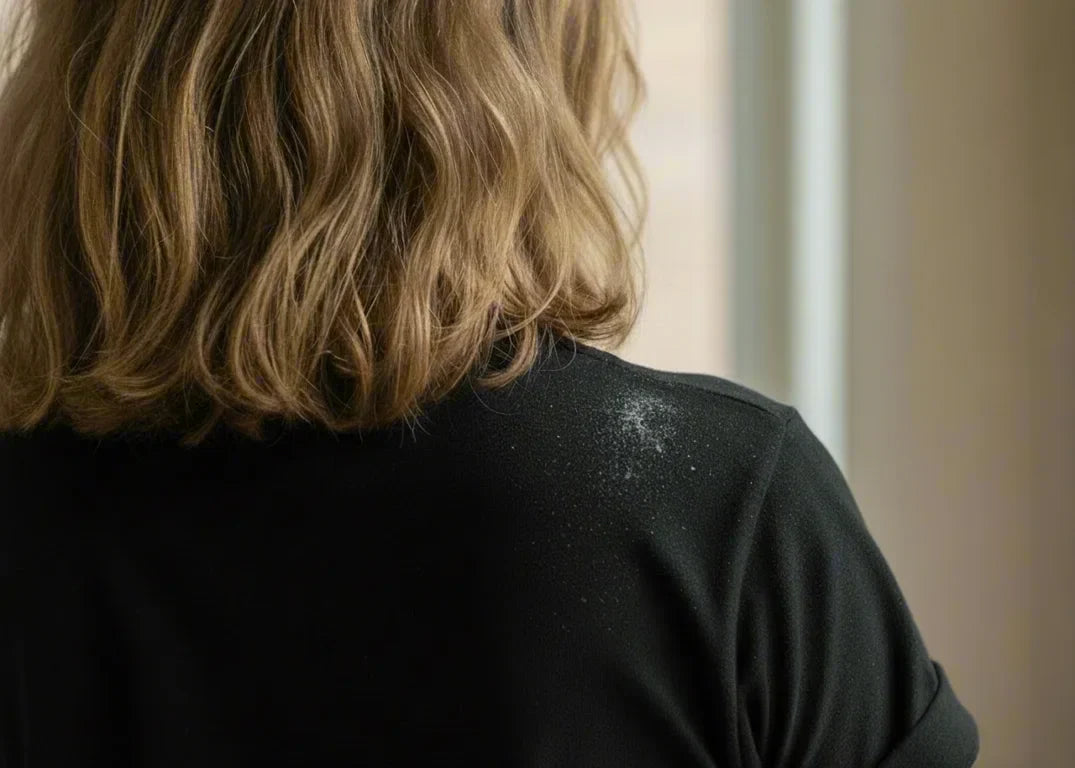
Everyone has experienced it. Wearing a favorite black sweater, a glance down reveals a dusting of white flakes on the shoulders. Or maybe it’s a persistent, nagging itch that just won’t quit. Your scalp is trying to send you an SOS but figuring out what it’s saying can be confusing. Is it just dry? Or is it something more?
Let's decode your scalp’s distress signals. One of the biggest misconceptions is the battle of "dry scalp vs. dandruff." The surprising truth? They aren't always two separate enemies. Often, that tight, dry-feeling scalp is actually a cry for help caused by dandruff itself. Let’s get to the root of the problem so you can find real, lasting relief.
The Great Scalp Mix-Up: Why We Confuse Dryness and Dandruff
It’s easy to assume that flakes equal dryness. You think, "My scalp must be thirsty," and you reach for heavy oils or skip a wash day, hoping to add moisture. But what if the reality in most cases, is that the problem is actually an excess of oil?
Here’s the science, made simple: Your scalp has its own ecosystem, or microbiome, home to a naturally occurring microbe called Malassezia. If too much oil (sebum) is produced by the scalp, this microbe will have a feast. The byproduct of this feast is an acid that irritates the scalp of about half the population.
This irritation triggers your body to speed up skin cell turnover, causing those cells to clump together and shed as visible flakes. But here’s the crucial part: this inflammatory process also damages your scalp's protective moisture barrier. When that shield is compromised, essential moisture escapes, leaving your scalp feeling tight, irritated, and—you guessed it—dry.
So, while your scalp feels dry, the root cause is often the cycle of oiliness, microbe overgrowth, and irritation that defines dandruff. Treating the flakes means addressing this entire cycle, not just the symptom of dryness.
Your Flake-Fighting Toolkit: What Really Works
Ready to restore peace and quiet to your scalp? Building an effective routine is about using the right tools at the right time. Forget the guesswork; this is your strategic plan for a flake-free future.
1. Choose Your Active Ingredient Wisely
This is the most important step. To break the dandruff cycle, you need a shampoo with proven, flake-fighting active ingredients. These are the MVPs that work to control the Malassezia microbe and calm irritation.
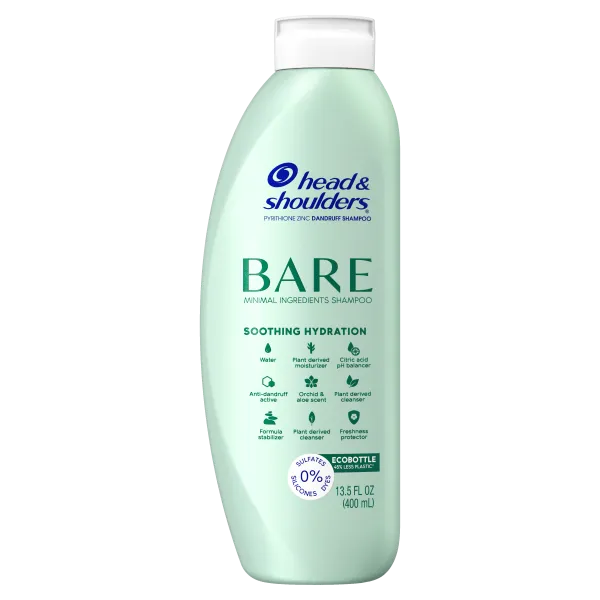
- Zinc Pyrithione: Think of this as your first line of defense. It’s a fantastic ingredient for managing mild to moderate dandruff by putting the brakes on microbe overgrowth. It helps restore your scalp’s natural balance.
- Selenium Sulfide: When you’re dealing with more stubborn or persistent flakes, it’s time to call in the heavy-hitter. Selenium sulfide is a powerful, clinically proven active ingredient that provides prescription-strength relief. For a seriously effective solution, try Head & Shoulders Clinical Strength Dry Scalp Shampoo. It’s a go-to recommendation for those who feel like they’ve tried everything without success.
2. Master Your Wash-Day Rhythm
If you have a dandruff-prone scalp, washing your hair frequently is your friend. This isn’t about stripping your hair; it’s about removing the excess oil and flakes that fuel the problem. Regular washing—every day or every other day—ensures the active ingredients in your shampoo can do their job effectively, keeping your scalp clean and the microbes in check.
3. Hydrate Smartly
Even with an oily scalp, your hair strands still need moisture to stay healthy and prevent breakage. The trick is to apply conditioner strategically. Squeeze very gently the excess water from your hair and apply your conditioner from the mid-lengths to the ends only. This will nourish your hair without adding extra oil to the scalp where it’s not needed.
Haircode Pro-Tips for a Happy Scalp
- Resist Itch: Scratching provides temporary relief, however, it can further damage your delicate scalp barrier and even lead to breakage. Instead, try gently patting the itchy spot.
- Turn Down the Heat: Super-hot water can strip your scalp and hair of essential moisture, making that tight, dry feeling even worse. Wash with lukewarm water instead.
- Hydrate from Within: A healthy scalp is part of a healthy body. Drinking water consistently will keep your skin, including your scalp, properly hydrated.
Conclusion
Understanding that a "dry scalp" is often just a symptom of dandruff is a game-changer. It means you can stop treating the symptoms and start targeting the root cause. By incorporating a shampoo with the right active ingredient for your needs and adopting a consistent washing routine, you can break the cycle of irritation and flakes. A calm, comfortable, and confident you is just a few washes away.
About HairCode, backed by decades of hair care research and industry-leading cosmetic scientists
We’re obsessed with hair and the science behind what makes it look and feel amazing. Our dedicated team leverages years of extensive haircare research and product development led by pioneering cosmetic scientists, PhDs in Biology and Chemistry, along with esteemed professional hair stylists from around the globe. Our goal is to be the most accurate and easy-to-use platform for you to learn about your hair. Our HairCode Quiz is built to harness a wealth of haircare research to give you a straightforward and science-backed haircare regimen recommendation based on questions that matter. We know that hair can be complicated. That’s why we break it down for you piece by piece with your unique HairCode. So, let's get to the root of it... Because we are here to support you on a journey of self-discovery and love for your hair.
FAQ
Can I just use my regular shampoo if I have dandruff?
While any shampoo will clean your hair, a regular shampoo lacks the active ingredients needed to control the microbe that causes dandruff. For effective, long-term relief from flakes and itching, it's essential to use a dedicated anti-dandruff shampoo with an active like Zinc Pyrithione (such as Head & Shoulders Shea Butter Shampoo) or Selenium Sulfide (such as Head & Shoulders Clinical Strength Dry Scalp Shampoo).
Is dandruff caused by being dirty or having poor hygiene?
Absolutely not! This is a common myth. Dandruff is caused by a sensitivity to the overgrowth of a naturally occurring microbe on your scalp. It has nothing to do with how clean you are. In fact, washing less can sometimes make it worse by allowing oil and skin cells to build up.
Will dandruff just go away on its own?
For most people, dandruff is a chronic condition that can be managed but not permanently cured. It may flare up with stress or seasonal changes. Consistent use of an anti-dandruff shampoo is the best way to keep symptoms under control and maintain a healthy scalp.