The Truth About “Dead Hair” and How It Affects Your Hair Care Regimen
You’ve probably heard the phrase “your hair is dead” before, whether it came from a viral TikTok, appeared on a shampoo bottle, or was casually mentioned by your hairstylist during a trim. It may sound dramatic, but it is a real, science-backed concept that can change the way you care for your hair.
In this article, we will break down what the dead hair theory actually means and share simple tips to help keep your hair looking its healthiest. Keep reading to learn how to improve your regimen and give your hair the care it truly needs
What Is the Dead Hair Theory?
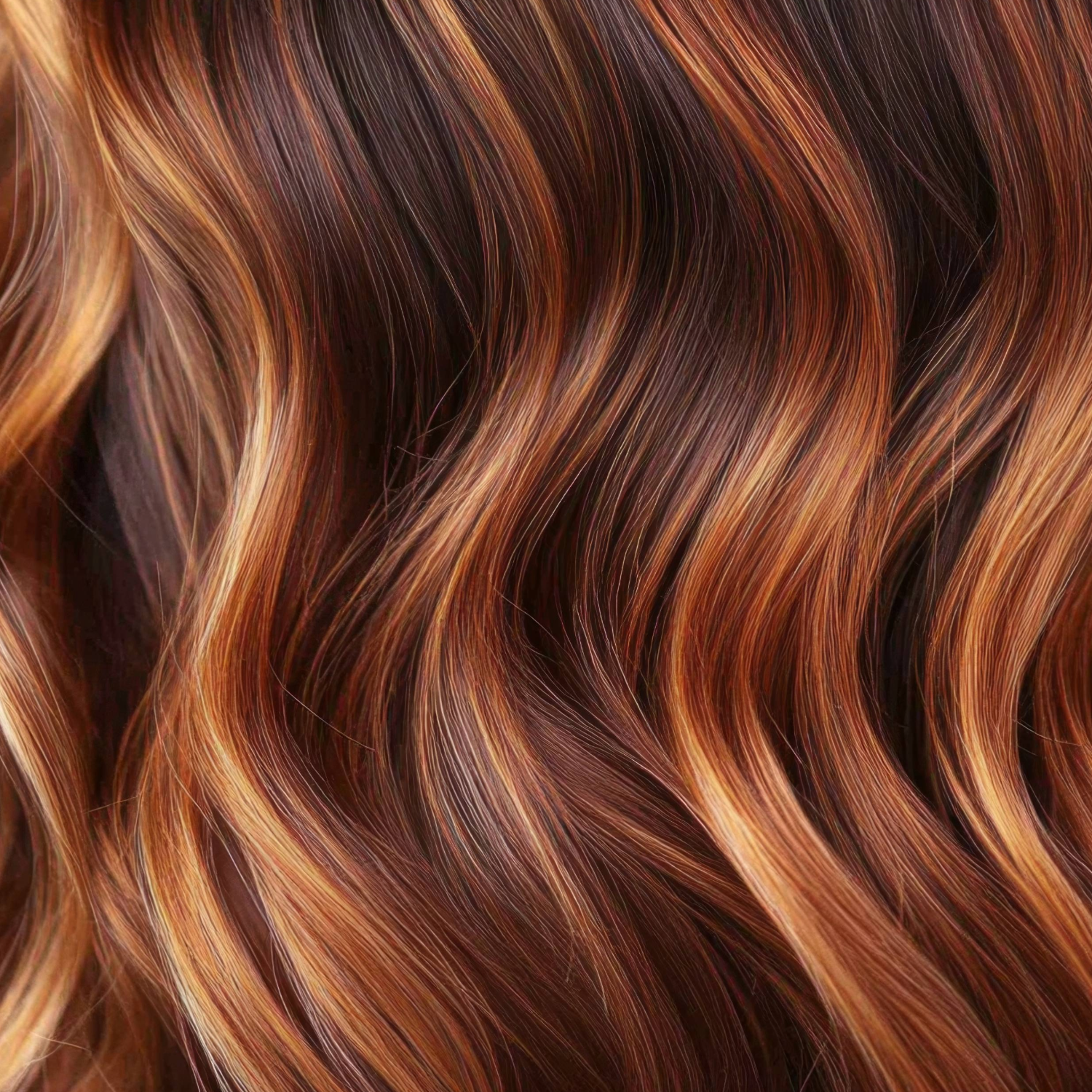
The dead hair theory is the idea that the visible part of your hair, which grows beyond your scalp, is made up of keratinized protein and doesn’t contain nerves or blood vessels. In short, it is biologically dead.
This might sound discouraging, but it actually helps explain why some products work and others don’t. Since your strands cannot heal themselves, everything from the shampoo you use to how often you flat iron your hair can make a lasting difference.
What This Means for Your Hair Care Routine
Once you understand that your hair cannot repair itself, your hair care routine becomes all about prevention and protection. These four simple changes can help you get smoother, shinier, and healthier-looking hair:
1. Hydrate and Moisturize
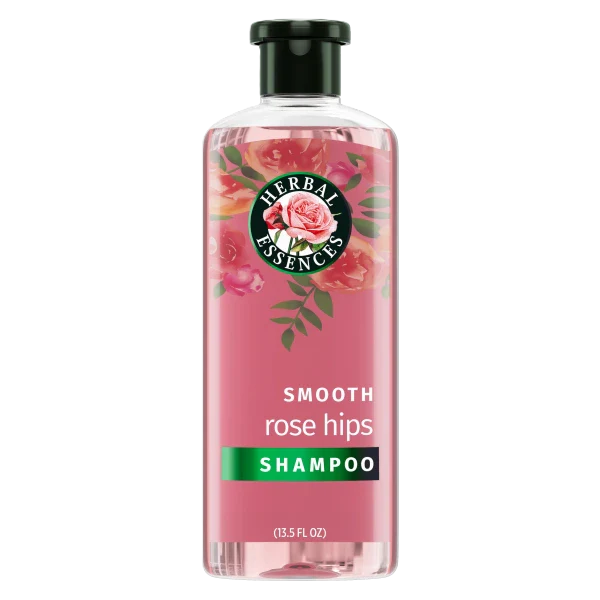
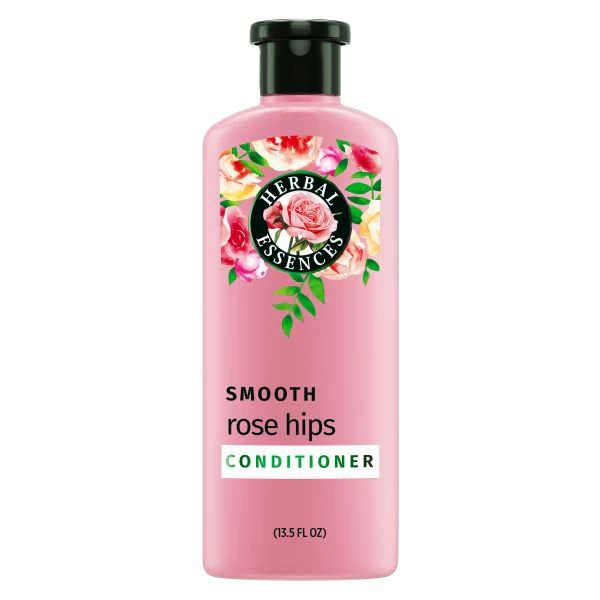
Moisture is key to keeping your hair soft and strong. Start with a gentle, hydrating shampoo and conditioner combo like Pantene Daily Moisture Renewal to help lock in moisture and shield your strands from daily stress.
2. Limit Heat Styling and Hot Tools
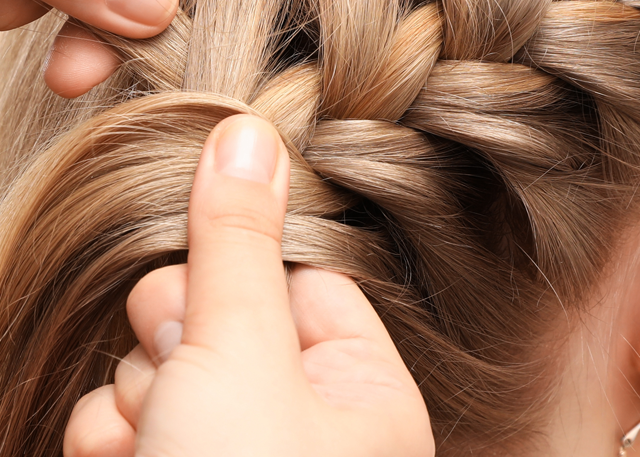
Frequent heat styling can weaken hair over time. Since your strands cannot repair themselves, cutting back on the use of heat tools helps prevent split ends and dryness. Try letting your hair air dry when possible or use heatless styles like braids or rollers. If you need to use heat, always apply a protective product like Aussie Total Miracle Heat Protecting Spray first.
3. Use Hair Masks Regularly
Hair masks give your strands an extra boost of moisture and softness. While they cannot reverse damage, they can smooth and help strengthen the outer layer of the hair. Treat yourself to a weekly mask like the Native Strengthening Hair Mask to help improve manageability and shine.
4. Seal and Soothe the Strands
After moisturizing, it helps to seal in that hydration with lightweight oils or serums. This step can reduce frizz and keep your cuticle smooth. Try Mielle Rosemary Mint Scalp & Hair Strengthening Oil to finish your look with shine and softness.
About HairCode, backed by decades of hair care research and industry-leading cosmetic scientists
We’re obsessed with hair and the science behind what makes it look and feel amazing. Our dedicated team leverages years of extensive haircare research and product development led by pioneering cosmetic scientists, PhDs in Biology and Chemistry, along with esteemed professional hair stylists from around the globe. Our goal is to be the most accurate and easy-to-use platform for you to learn about your hair. Our HairCode Quiz is built to harness a wealth of haircare research to give you a straightforward and science-backed haircare regimen recommendation based on questions that matter. We know that hair can be complicated. That’s why we break it down for you piece by piece with your unique HairCode. So, let's get to the root of it... Because we are here to support you on a journey of self-discovery and love for your hair.
FAQ
If hair is dead, why do we need to take care of it?
Even though hair is not alive, it can still be damaged by things like heat, chemical treatments, brushing, and the environment. Taking care of your hair helps protect it from breakage, dryness, and split ends so it looks and feels healthy.
Can hair products really make a difference if hair can’t heal?
Yes. While products cannot "fix" damaged hair at a cellular level, they can smooth the cuticle, add moisture, reduce frizz, and protect against further damage. The right routine can improve your hair’s appearance and help it stay strong longer.
How can I tell if my hair is damaged?
Signs of damage include dryness, dullness, split ends, breakage, and rough texture. If your hair tangles easily or feels brittle, it likely needs more hydration and protection.