

Decoding Dandruff: A Pro Guide to Making Your Anti-Dandruff Shampoo Actually Work
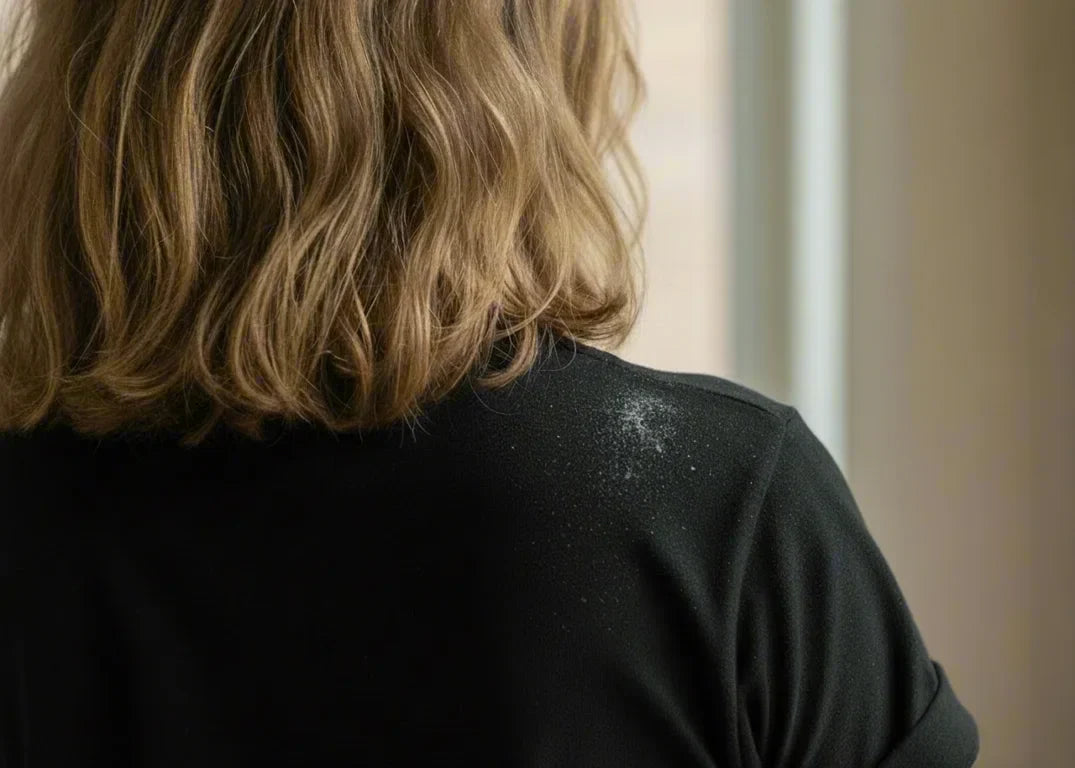
You’ve done everything right—or so you think. You bought the anti-dandruff shampoo, you’re washing your hair, but the frustrating flakes and persistent itch just won’t quit. Sound familiar? This is very common. The truth is, most anti-dandruff shampoos are incredibly effective, but only if you use them correctly.
The secret isn’t just in what you use, but how you use it. Let's dive into the common missteps that prevent you from winning the war on dandruff and reveal the simple tweaks that will unlock the true power of your products for a calm, comfortable scalp.
Mistake #1: You’re Just Washing Your Hair, Not Treating Your Scalp
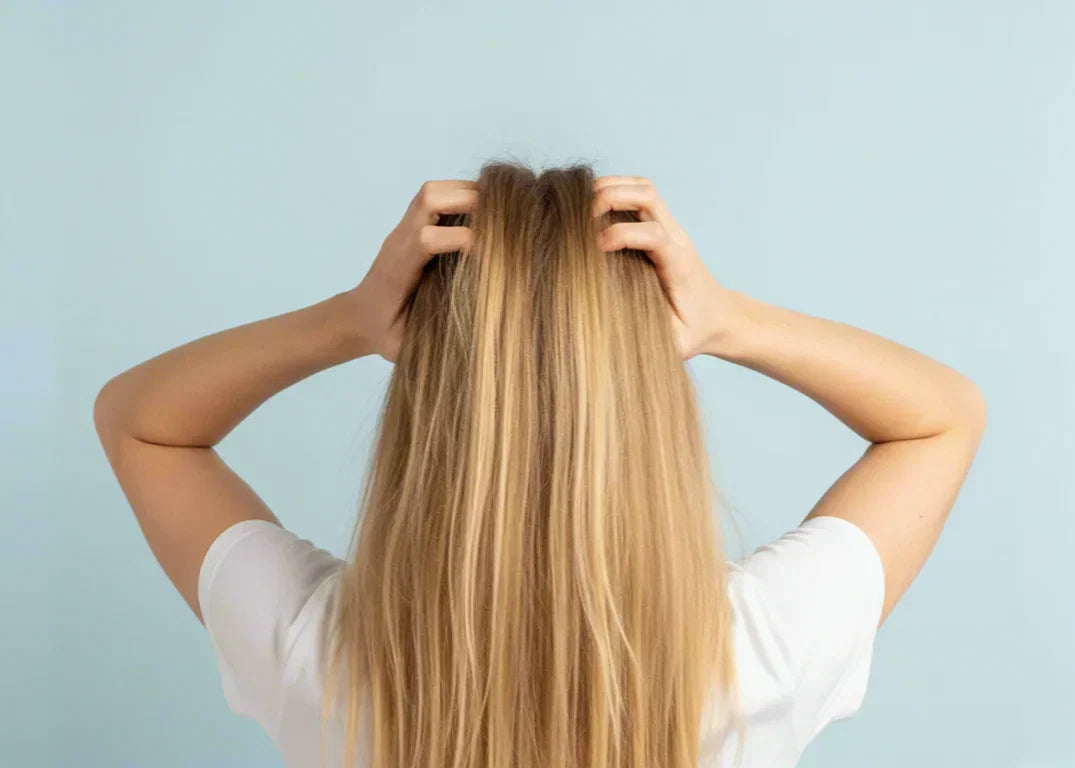
The first mindset shift is crucial: dandruff is a scalp condition, not a hair problem. The primary culprit behind those flakes is often an overgrowth of a naturally occurring microbe called Malassezia. When this fungus goes into overdrive, it accelerates skin cell turnover, leading to irritation and visible flaking.
The Pro Fix: Your goal is to target this microbe directly on the scalp's surface. Look for shampoos with a proven active ingredient like Zinc Pyrithione. This compound is a powerhouse because it has antifungal properties that help rebalance your scalp's microbiome and calm the irritation. Think of it less as a hair cleanser and more as a targeted scalp treatment.
Mistake #2: Your Application Technique is "Shampoo and Go"
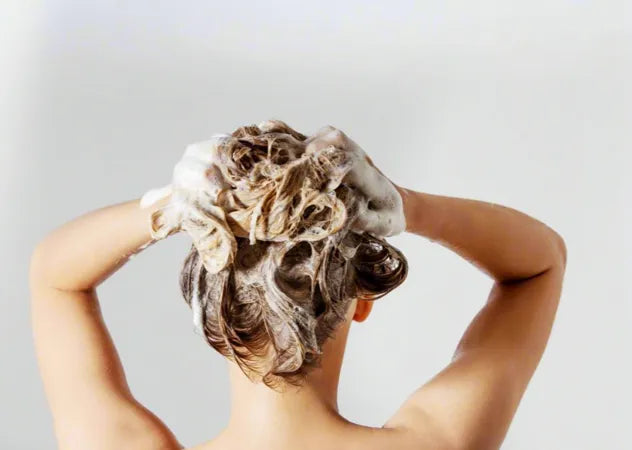
Here's a big mistake: applying dandruff shampoo like a regular shampoo. You lather it up quickly, scrub your hair for a few seconds, and rinse it all down the drain. When you do this, the active ingredients don’t have enough time to adhere to the scalp and do their job.
The Pro Fix: Slow down and give your shampoo time to work its magic.
- Apply the shampoo directly to your wet scalp, not just your hair.
- Use your fingertips (not your nails!) to gently massage the product across your entire scalp for at least 60 seconds. This ensures even distribution and helps the active ingredients make contact with the skin.
- Let it sit! Let the lather rest on your scalp another minute or two before rinsing thoroughly. This contact time is non-negotiable for success.
Mistake #3: You're Inconsistent with Your Routine
Dandruff is often a chronic condition that needs to be managed, not a one-time problem you can cure and forget. Using your anti-dandruff shampoo only when you see a major flare-up is like waiting for a garden to be overrun with weeds before you do anything about it.
The Pro Fix: Consistency is your greatest weapon. When you first start, use your anti-dandruff shampoo every time you wash until your symptoms are under control. Once your scalp is clear, you can maintain the results by using it 2-3 times per week, or as needed, to keep the Malassezia population in check and prevent future flare-ups. Regular use creates a protective environment on your scalp that keeps flakes at bay.
Mistake #4: Your Conditioner is Undoing Your Hard Work
You've just meticulously applied your treatment shampoo, allowing the Zinc Pyrithione to deposit onto your scalp. Then, you grab your favorite super-smoothing conditioner and massage it all over your head, roots included. Unfortunately, you may have just rinsed away the active ingredients you needed to leave behind.
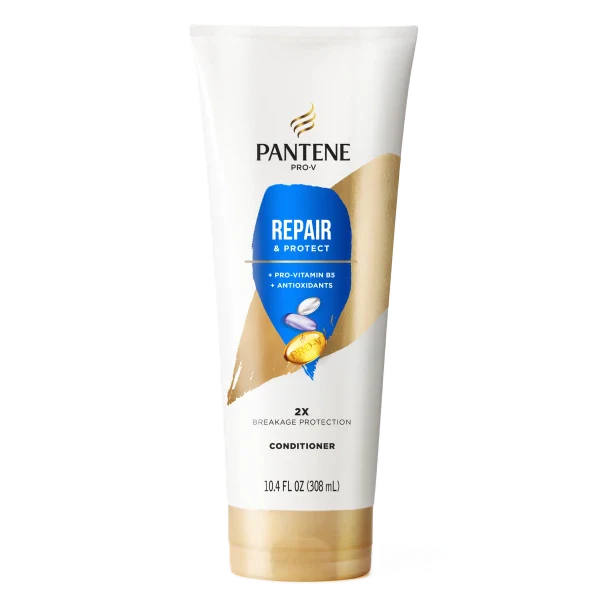
The Pro Fix: Protect your investment! After rinsing your shampoo, apply your regular conditioner up to mid-lengths/ends of your hair, try to avoid the scalp altogether.
Alternatively, opt for a system designed to work together. Many brands offer coordinating anti-dandruff conditioners that won't interfere with the active ingredients. For ultimate convenience, a 2-in-1 formula like Head & Shoulders Classic Clean 2-in-1 Shampoo + Conditioner can be a game-changer. It deposits the dandruff-fighting actives while delivering conditioning benefits in a single, efficient step.
Conclusion
Achieving a flake-free scalp isn't about finding a magic bullet, but about mastering the right technique. By understanding that you're treating a scalp condition, applying your products with intention, staying consistent, and being mindful of your conditioner, you can finally get the results you've been looking for. Take back control and enjoy the confidence that comes with a truly healthy scalp and beautiful hair.
About HairCode, backed by decades of hair care research and industry-leading cosmetic scientists
We’re obsessed with hair and the science behind what makes it look and feel amazing. Our dedicated team leverages years of extensive haircare research and product development led by pioneering cosmetic scientists, PhDs in Biology and Chemistry, along with esteemed professional hair stylists from around the globe. Our goal is to be the most accurate and easy-to-use platform for you to learn about your hair. Our HairCode Quiz is built to harness a wealth of haircare research to give you a straightforward and science-backed haircare regimen recommendation based on questions that matter. We know that hair can be complicated. That’s why we break it down for you piece by piece with your unique HairCode. So, let's get to the root of it... Because we are here to support you on a journey of self-discovery and love for your hair.
FAQ
What is the main cause of dandruff?
Dandruff is linked to overgrowth of a fungus called Malassezia, which is naturally present on everyone's scalp. When it multiplies excessively, it can cause irritation, itching, and the flaking you see as dandruff.
How long should I leave dandruff shampoo on my scalp?
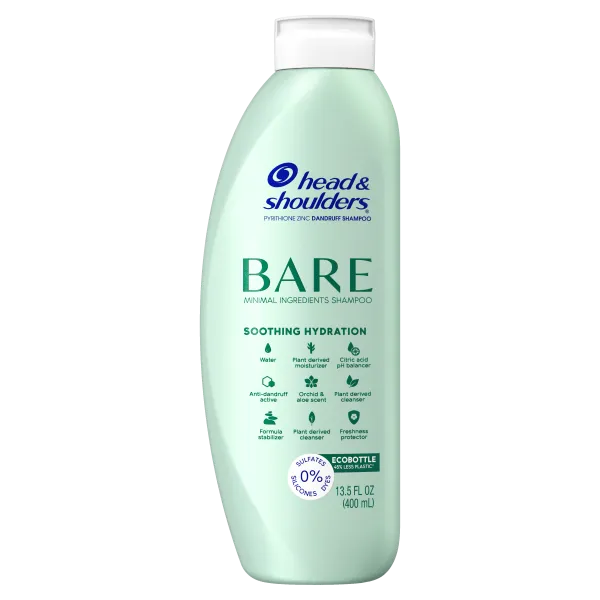
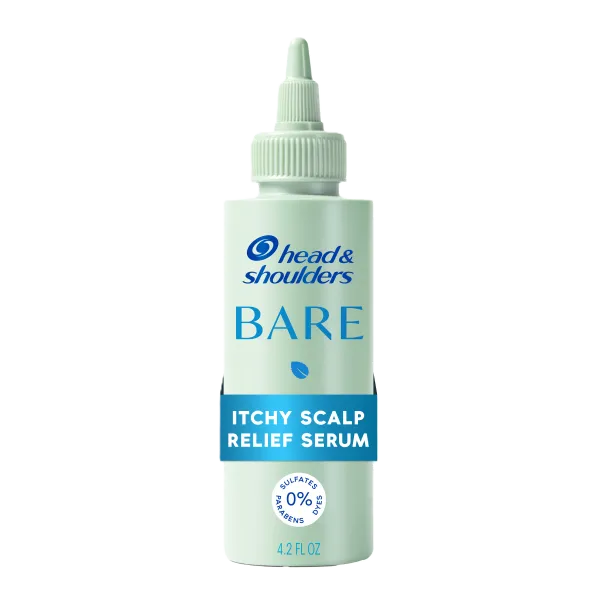
For the active ingredients to work effectively, you should massage the shampoo into your scalp for at least one minute and then let it sit for another one to two minutes before rinsing. Pro tip: Head & Shoulders BARE Pure Clean will work just like magic. This contact time is essential.
Can I still use my favorite regular conditioner?
Yes, you can! Just be sure to apply it only from the mid-lengths to the ends of your hair. Avoid applying regular conditioner to your scalp, as there is potential for diluting/washing away the active ingredients from your dandruff shampoo.
My dandruff isn't improving even with these tips. What should I do?
If you’ve been consistently following these steps for several weeks and see no improvement, it's a good idea to consult a dermatologist. You may have a different scalp condition that requires a specific diagnosis and prescription treatment.