Why Is My Scalp Flaking? A Deep Dive into Dandruff and Its Solutions
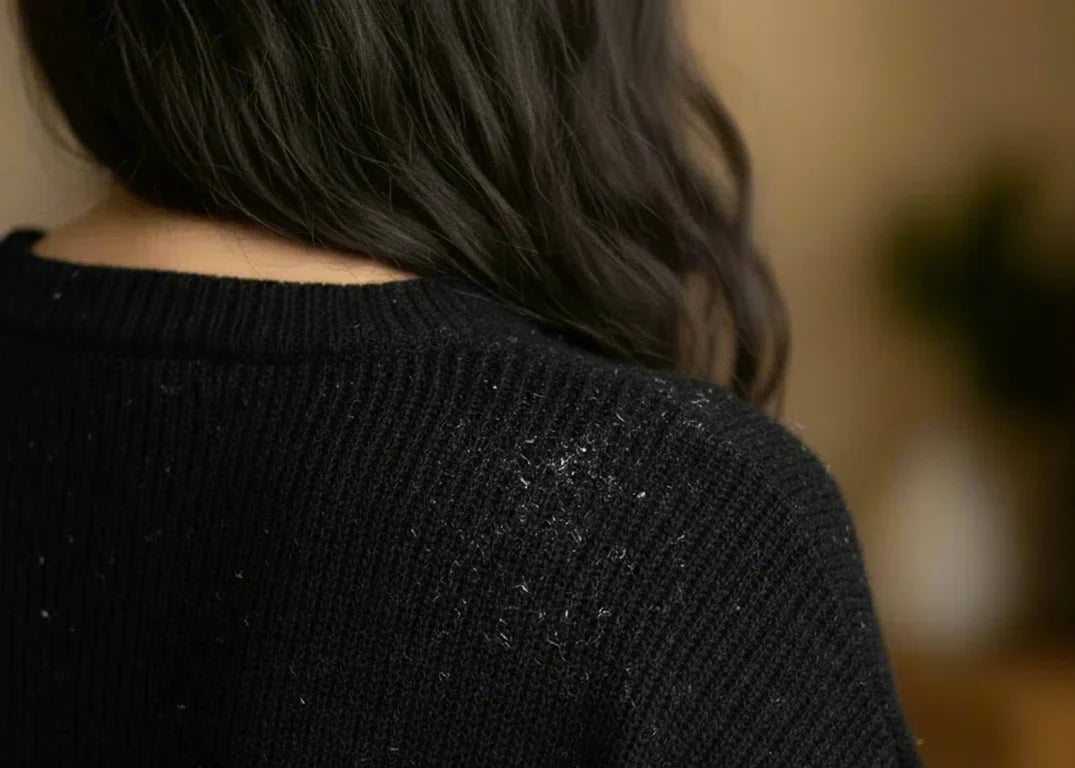
It’s a concern many faced at some point: an annoyingly itchy scalp followed by the discovery of little white flakes on our favorite black sweater. Dandruff is incredibly common, but it's often misunderstood. Is your scalp dry? Is it oily? The confusion can make finding a real solution feel like a guessing game.
The secret to banishing flakes for good lies in understanding what’s actually happening on your scalp. Once you know the cause, choosing the right treatment becomes simple. Let’s decode dandruff and find the path to a calm, comfortable scalp.
The Real Culprit Behind Your Dandruff
While a dry scalp can certainly produce small flakes, true dandruff is most often linked to a microscopic fungus called Malassezia globosa. Don’t be alarmed—this microbe is a normal resident on everyone’s scalp, feeding the natural oils (sebum) our skin produces.
The problem arises when your scalp becomes sensitive to Malassezia or when the fungus grows excessively. This triggers an inflammatory response, causing your scalp to go into overdrive, rapidly shedding skin cells. This accelerated cell turnover is what produces the noticeable flakes, itching, and irritation we associate with dandruff. So, the key to effective treatment isn't just washing away flakes; it's about controlling the Malassezia population and calming the scalp.
Your Anti-Dandruff Arsenal: Choosing Your Active Ingredient
Think of fighting dandruff like choosing the right tool for a job. The "tools" in this case are specific active ingredients that have proved able to target the root cause of the issue. The two most effective and widely available are Zinc Pyrithione and Selenium Sulfide.
The Everyday Defender: Zinc Pyrithione
If you're dealing with mild to moderate flaking and general scalp itchiness, Zinc Pyrithione is your go-to hero. Within this ingredient are properties such as antifungus and antibacteria that work to restore balance to your scalp’s microbiome. By gently reducing the Malassezia fungus, it effectively slows down that rapid skin cell turnover, leading to fewer flakes and less irritation.
It’s the perfect choice for regular maintenance and preventing dandruff from returning. You’ll find this reliable ingredient in many trusted formulas.
- For reliable, daily control: A product like Head & Shoulders Shea Butter Shampoo is formulated with zinc pyrithione to manage flakes, oiliness, and irritation, making it an excellent staple in your routine.
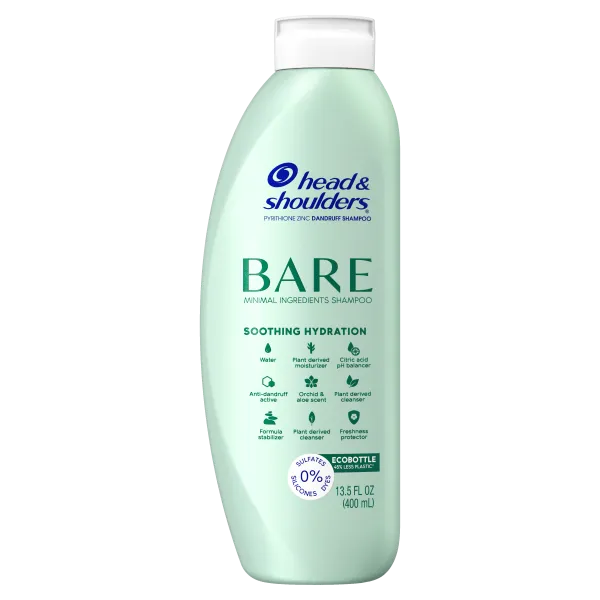
- For sensitive scalps: If you prefer products with fewer ingredients but still need effective dandruff protection, look for minimalist formulas. Head & Shoulders BARE is a great example, using zinc pyrithione in a simple, 9-ingredient formula that hydrates hair while caring for the scalp.
The Clinical Powerhouse: Selenium Sulfide
For those moments when the flaking is more stubborn, severe, or accompanied by the intense inflammation of seborrheic dermatitis, you need to bring in a stronger player. Selenium Sulfide is a more potent antifungal agent that provides prescription strength relief. It works by dramatically slowing the production of skin cells and controlling the Malassezia fungus.
This ingredient is the ideal solution when everyday dandruff shampoos aren’t quite cutting it, offering intensive care for more persistent scalp conditions.
- For moderate to severe cases: When you need a more powerful solution, a shampoo containing 1% selenium sulfide is your best bet. Head & Shoulders Clinical Strength Dry Scalp Rescue Shampoo is designed for this exact purpose, providing powerful, long-lasting relief from even the most stubborn flakes and itch.
Haircode Pro-Tips for a Flake-Free Scalp
Choosing the right product is half the battle. How you use it makes all the difference.
Give It Time: Don't just lather and immediately rinse. To be effective, active ingredients need contact time with your scalp. After massaging the shampoo into your roots, before rinsing, let it sit for about 3-5.
Consistency is Key: Dandruff is often a chronic condition that needs ongoing management. Use your medicated shampoo regularly (as directed on the bottle) to keep the Malassezia fungus in check and prevent flare-ups.
Condition Your Ends: Some medicated shampoos can feel a bit drying on your hair strands. After treating your scalp, apply a hydrating conditioner from the mid-lengths to the ends to keep your hair soft and manageable.
Conclusion
Tackling dandruff doesn’t have to be a frustrating cycle of trial and error. By understanding that the true culprit is often a microscopic fungus, you can arm yourself with the right active ingredients to restore balance to your scalp. Whether you need the daily defense of Zinc Pyrithione or the clinical power of Selenium Sulfide, a calm, clear, and comfortable scalp is well within your reach.
About HairCode, backed by decades of hair care research and industry-leading cosmetic scientists
We’re obsessed with hair and the science behind what makes it look and feel amazing. Our dedicated team leverages years of extensive haircare research and product development led by pioneering cosmetic scientists, PhDs in Biology and Chemistry, along with esteemed professional hair stylists from around the globe. Our goal is to be the most accurate and easy-to-use platform for you to learn about your hair. Our HairCode Quiz is built to harness a wealth of haircare research to give you a straightforward and science-backed haircare regimen recommendation based on questions that matter. We know that hair can be complicated. That’s why we break it down for you piece by piece with your unique HairCode. So, let's get to the root of it... Because we are here to support you on a journey of self-discovery and love for your hair.
FAQ
What is the main cause of dandruff?
Dandruff is linked to overgrowth of a fungus called Malassezia, which is naturally present on everyone's scalp. When it multiplies excessively, it can cause irritation, itching, and the flaking you see as dandruff.
What's the difference between Zinc Pyrithione and Selenium Sulfide?
Zinc Pyrithione (example product:Head & Shoulders Shea Butter Shampoo) is an effective ingredient for controlling mild-to-moderate dandruff and is suitable for regular, long-term use. Selenium Sulfide (example product:Head & Shoulders Clinical Strength Dry Scalp Rescue Shampoo) is a more potent, clinical-strength ingredient best suited for severe or persistent dandruff and seborrheic dermatitis.
Can I use a dandruff shampoo every day?
Most dandruff shampoos, especially those with Zinc Pyrithione likeHead & Shoulders Shea Butter, are gentle enough for daily use. For stronger formulas with Selenium Sulfide, it's best to follow the usage instructions on the product label.
Why is my scalp still flaking after using a dandruff shampoo?
There could be a few reasons. First, ensure you're leaving the shampoo on your scalp long enough to work. Second, it can take a few washes to see significant improvement. If you've been using a Zinc Pyrithione formula consistently without results, you may need to step up to a more potent Selenium Sulfide product. If symptoms persist, it's always a good idea to consult a dermatologist.