
Is Your Oily Scalp Causing Dandruff? Here’s How to Restore Balance
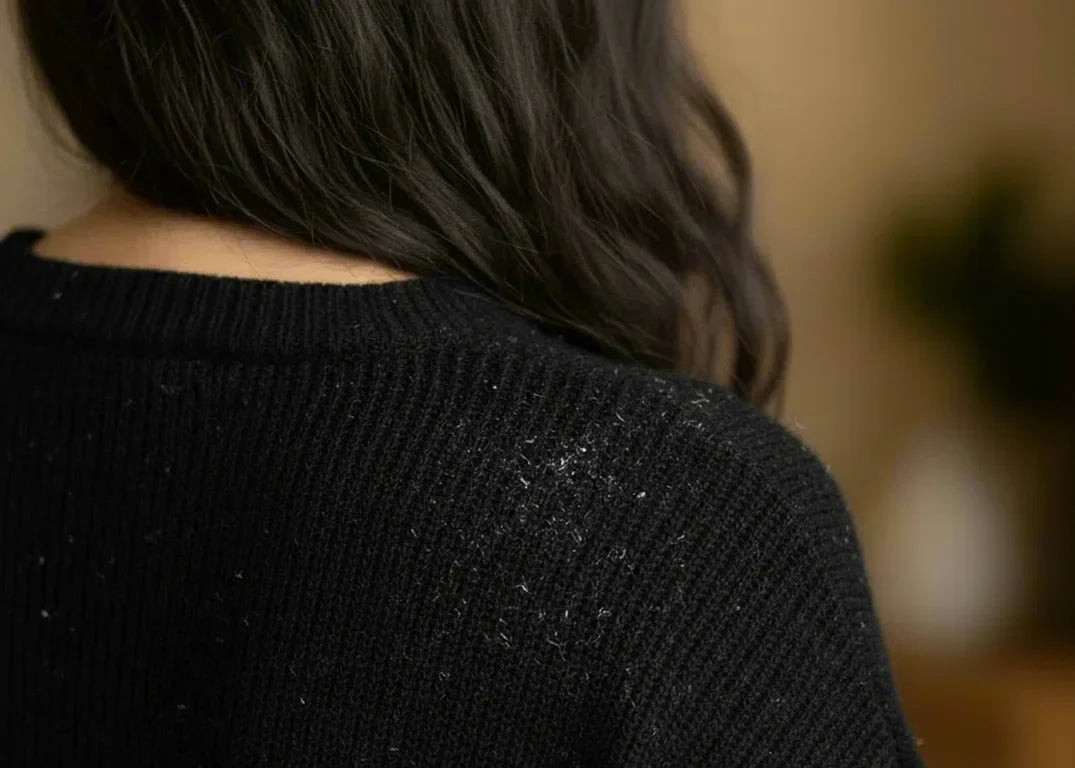
It’s one of the most frustrating hair dilemmas out there: your roots feel oily just a day after washing, yet your shoulders are dusted with white flakes. It seems impossible—how can your scalp be both oily and flaky? This is one of the most common issues that tend to come up, and the answer lies in understanding your scalp's delicate ecosystem. Forget the idea that your scalp is "dry". In most cases, those flakes are actually a direct result of excess oil.
Think of your scalp as a garden. In order to flourish, the right balance of moisture is necessary along with nutrients, and a healthy microbiome. When one element gets out of whack—in this case, an overproduction of natural oil (sebum)—it creates the perfect conditions for problems to take root. Let’s get to the bottom of this cycle and learn how to bring your scalp back into beautiful, flake-free harmony.
The Vicious Cycle: How Oil and Flakes Are Connected
Your scalp is home to a naturally occurring microbe called Malassezia. In a balanced environment, it’s a harmless resident. However, this microbe’s favorite food source is the sebum your scalp produces. When your scalp goes into oil-production overdrive, it’s like throwing a non-stop party for Malassezia.
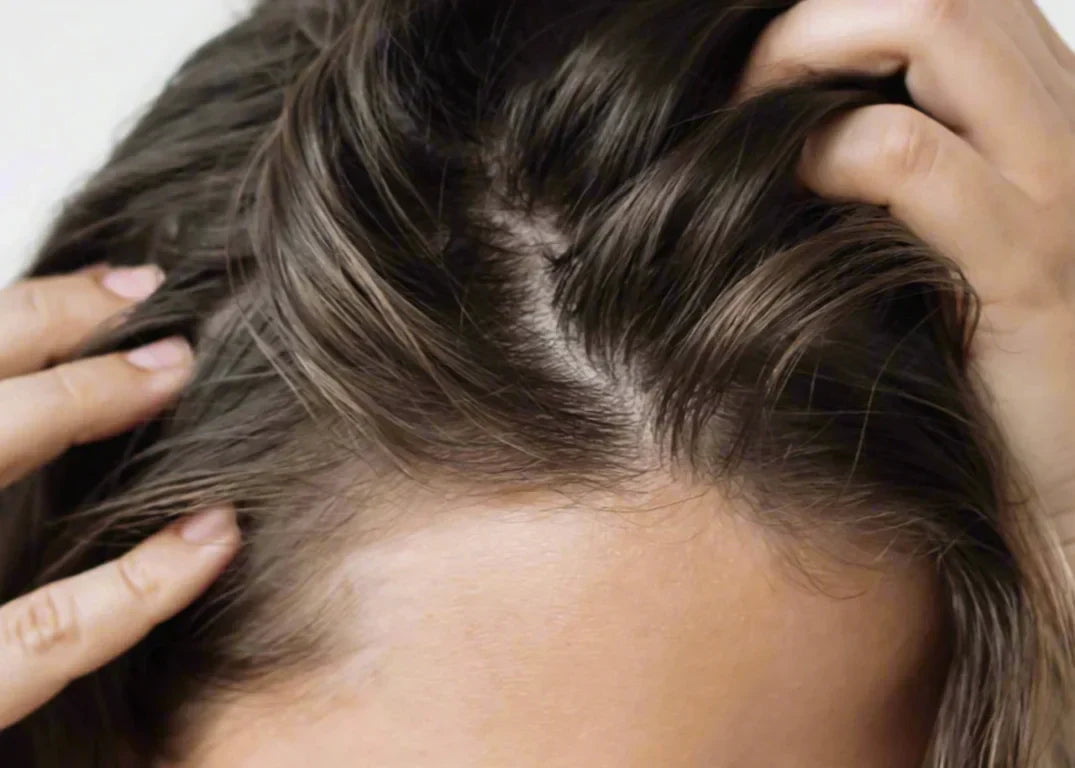
As this microbe feasts on the excess oil, it multiplies rapidly and produces byproducts that can irritate your scalp. Your skin’s natural response to this irritation is to speed up its cell turnover process in an attempt to shed the irritant. These skin cells don’t have time to shed individually and invisibly like they normally would. Instead, they clump together with the excess oil, forming the visible dandruff flakes you see.
So, the flakes aren't a sign of dryness; they're a symptom of an irritated, unbalanced, and overly oily scalp.
Are Your Habits Making It Worse? A Scalp Health Checklist
Sometimes, the best intentions can accidentally disrupt our scalp's balance. Run through this quick checklist to see if your routine might be contributing to the oil-and-flake cycle.
- How often are you washing? There’s a popular myth about "training" your hair to be less oily by washing it less. For those prone to dandruff, this can backfire. Infrequent washing allows sebum, dead skin cells, and microbes to build up, creating a perfect storm for irritation and flakes. Regular cleansing is essential to keep this environment in check.
- What kind of products are you using? If you’re piling heavy, ultra-moisturizing conditioners or styling creams at the root, you could be suffocating your scalp and adding more oil to the fire. It’s crucial to choose products that cleanse effectively without being overly stripping or greasy.
- Are you focused on the right solution? Grabbing a "hydrating" shampoo for what you think is a "dry, flaky scalp" can make the problem worse by not addressing the underlying fungal overgrowth and oiliness.
Your Scalp Reset Toolkit: Ingredients That Actually Work
Restoring balance is all about using the right tools. The goal isn’t to strip your scalp bare, but to control the oil and reduce the Malassezia population so your scalp can calm down. Look for products with these powerhouse ingredients.
-
For Daily Balance: Pyrithione Zinc
This is a fantastic, widely used active ingredient that has both antifungal and antibacterial properties. It works by gently reducing the Malassezia on your scalp, breaking the cycle of irritation and flaking. It’s effective for managing mild to moderate dandruff without being harsh.
Product to Try: Head & Shoulders Shea Butter Shampoo is a go-to for a reason. It uses pyrithione zinc to effectively control dandruff while cleansing away excess oil. -
For a Tougher Reset: Selenium Sulfide If your flakes are more persistent or your scalp is particularly oily, you may need to bring in the big guns. Selenium sulfide is a more potent antifungal agent that slows down your skin's cell turnover and controls the microbe population. It’s incredibly effective for moderate to severe dandruff.
Product to Try: For those needing a more powerful solution, Head & Shoulders Clinical Strength Dandruff Defense with selenium sulfide can provide significant relief from stubborn flakes and oil. -
For the Sensitive-but-Oily Scalp: Minimalist Formulas What if your scalp is easily irritated but still needs dandruff control? You don’t have to compromise. Look for formulas specifically designed to be gentle, with fewer ingredients, that still contain a clinically proven active.
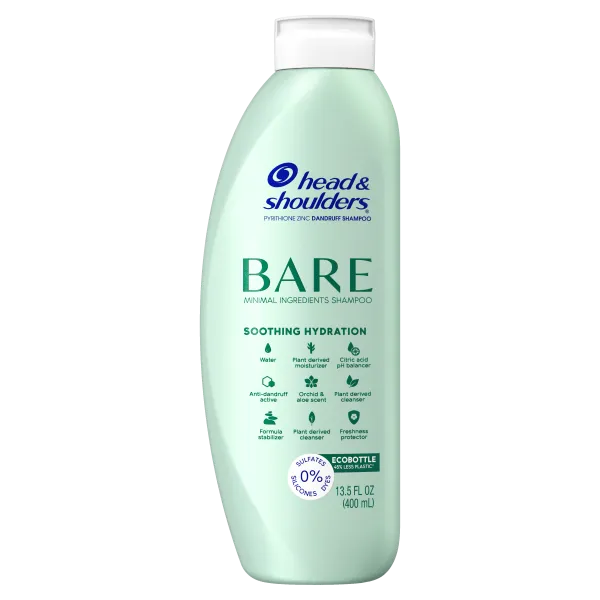
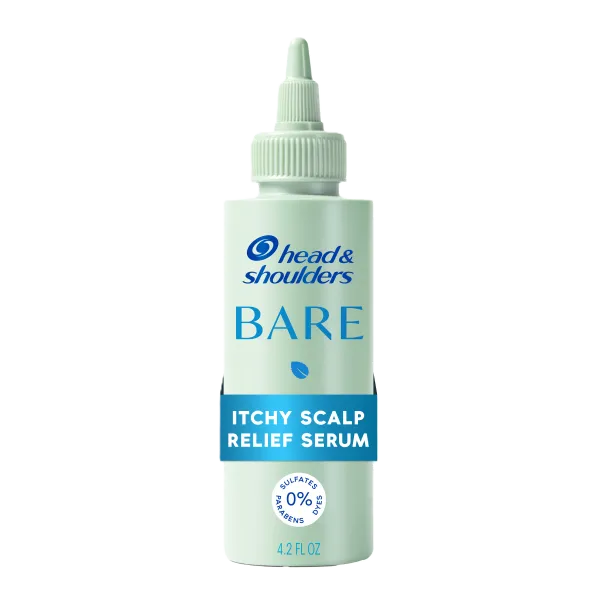
Product to Try: Head & Shoulders BARE is formulated with minimal ingredients but still includes the proven effectiveness of pyrithione zinc, making it a great option for sensitive scalps that are also prone to flakes.
Conclusion
Tackling an oily, flaky scalp is not about fighting a losing battle against grease or dryness. It's about restoring harmony. By understanding the connection between sebum and dandruff, adjusting your washing habits, and using products with targeted, effective ingredients, you can break the cycle. A calm, clean, and comfortable scalp is within your reach, allowing you to enjoy healthy, beautiful hair from root to tip.
About HairCode, backed by decades of hair care research and industry-leading cosmetic scientists
We’re obsessed with hair and the science behind what makes it look and feel amazing. Our dedicated team leverages years of extensive haircare research and product development led by pioneering cosmetic scientists, PhDs in Biology and Chemistry, along with esteemed professional hair stylists from around the globe. Our goal is to be the most accurate and easy-to-use platform for you to learn about your hair. Our HairCode Quiz is built to harness a wealth of haircare research to give you a straightforward and science-backed haircare regimen recommendation based on questions that matter. We know that hair can be complicated. That’s why we break it down for you piece by piece with your unique HairCode. So, let's get to the root of it... Because we are here to support you on a journey of self-discovery and love for your hair.
FAQ
Is dandruff caused by a dry scalp or an oily one?
While a very dry scalp can produce small, powdery flakes, the most common type of dandruff (the larger, yellowish-white flakes) is almost always linked to an oily scalp and the overgrowth of the Malassezia microbe.
How often should I wash an oily, flaky scalp?
Most people with this condition benefit from washing every 1-2 days. The key is to be consistent with an anti-dandruff shampoo to prevent the buildup of oil and keep the scalp environment balanced. Don't be afraid to wash regularly!
Can stress make my oily scalp and dandruff worse?
Absolutely. Stress can impact your hormone levels, adversely triggering a potential increase in sebum production. This extra oil can fuel the dandruff cycle, which is why you might notice flare-ups during stressful periods.
Will an anti-dandruff shampoo dry out my hair?
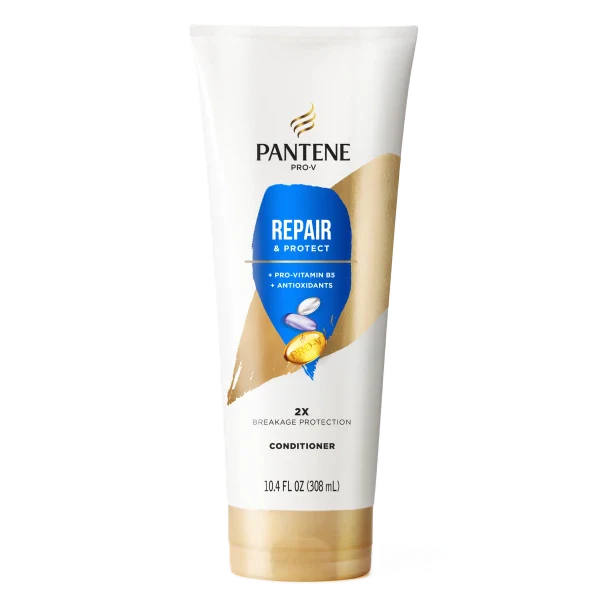
This is a common concern, but modern formulas are much more sophisticated than they used to be. Many anti-dandruff shampoos are formulated to be gentle on your hair while being tough on flakes, such as Head & Shouders Shea Butter Shampoo. Just a small tip, focus the shampoo on your scalp where it's needed most, and apply your regular conditioner only from the mid-lengths to the ends to keep them soft and hydrated.