The Weekly Wash Day Blueprint: Relieving Scalp Flakes Without Sacrificing Your Hair Routine
Anyone with curls, coils, or protective styles knows that wash day is an intentional, multi-step ritual. Between pre-pooing, detangling, deep conditioning, and styling, shampooing is rarely a quick five-minute shower task. Because textured hair naturally craves moisture conservation, washing once every seven to fourteen days is standard practice for maintaining strand health and style longevity.
For years, mainstream advice suggested that combating dandruff required lathering up three to four times a week. That formula simply does not work for textured tresses, where frequent water exposure and constant manipulation lead directly to breakage and parched strands.
Fortunately, modern beauty science shows that you do not need to change your wash frequency to achieve a calm, clear scalp. Here is the insider knowledge on how to tackle flakes and inflammation effectively on a once-a-week schedule.
Why Traditional Scalp Care Missed the Mark
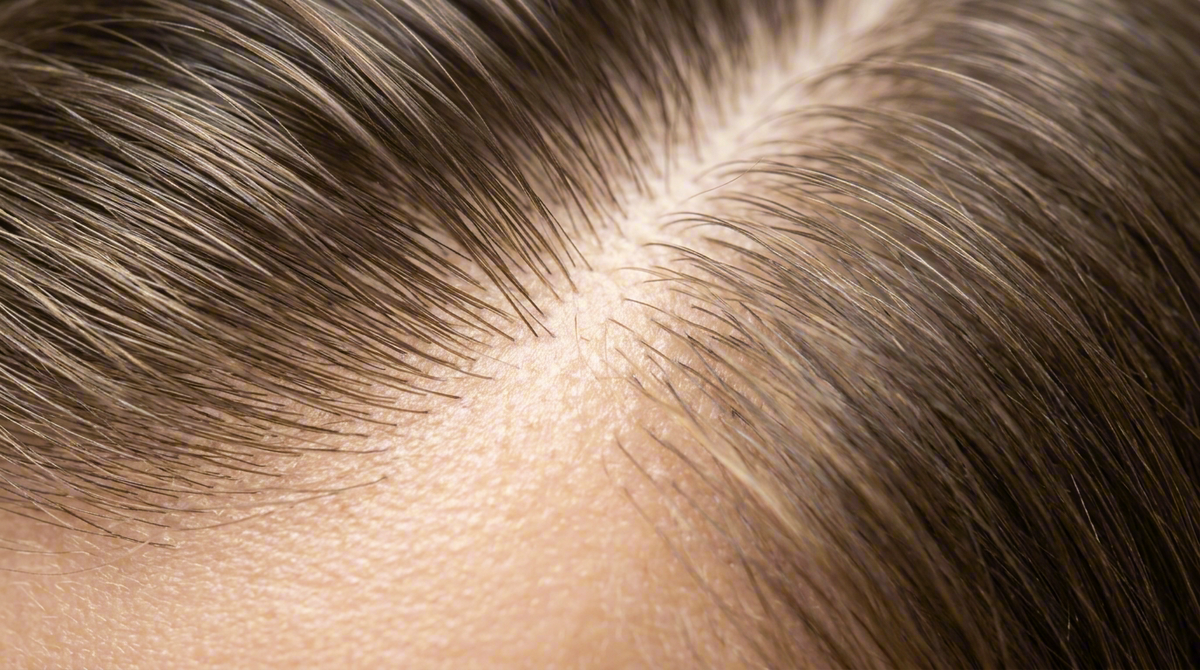
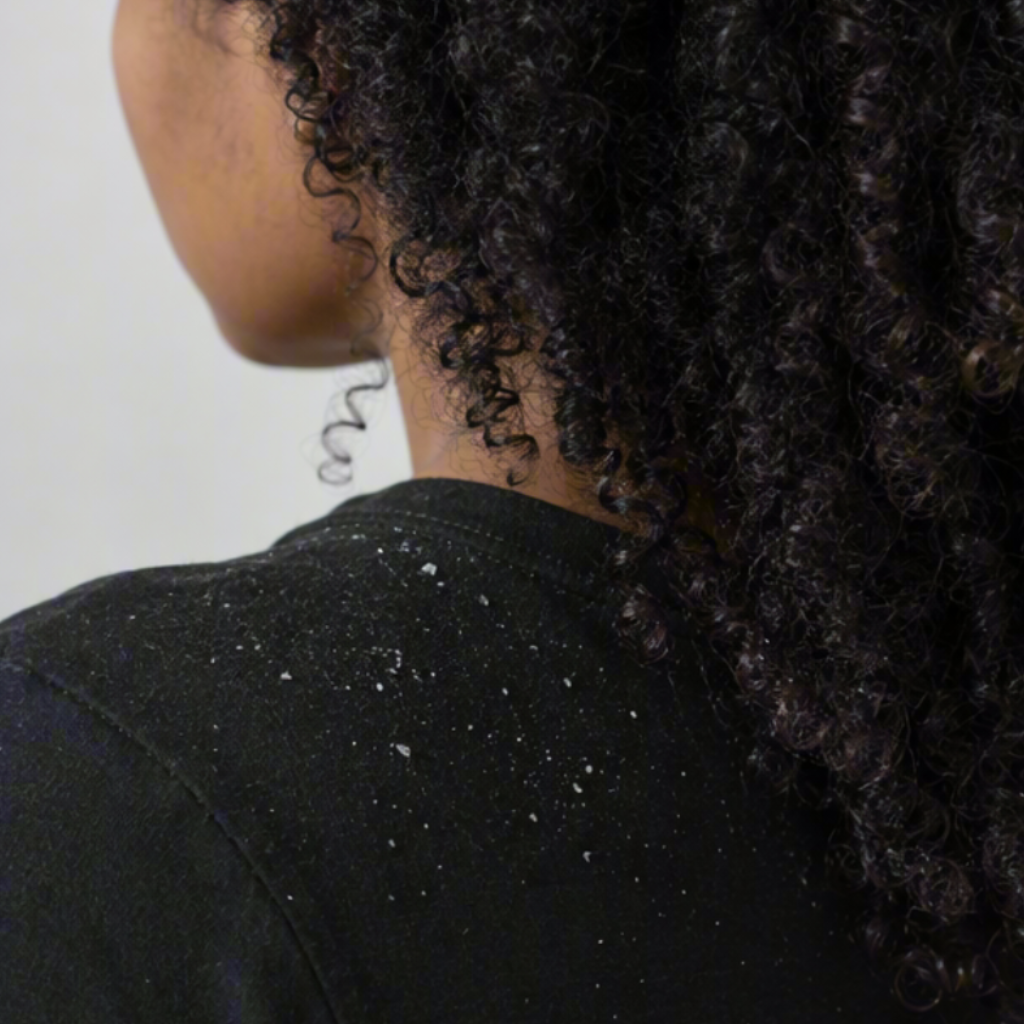
The primary cause of dandruff is an imbalance in the scalp microbiome, driven by an overgrowth of Malassezia yeast interacting with natural sebum. In response, the skin barrier becomes compromised, shedding dead skin cells rapidly and triggering uncomfortable itching and irritation.
For decades, dermatological testing relied almost exclusively on high-frequency wash models. When you have tight coils or twists, washing three times a week strips away essential sebum and ruins delicate styles. The real challenge is finding active ingredients that continue working on the skin barrier long after wash day wraps up, keeping irritation and micro-inflammation under control for the entire seven-day stretch.
The Power Active: How 1% Zinc Pyrithione Works Overtime
When your wash schedule is spaced a week apart, your cleansing products must do heavy lifting while remaining gentle on your cuticle.
Enter Zinc Pyrithione (ZPT). At a 1% concentration, ZPT serves as a targeted antimicrobial agent that reins in yeast overgrowth without harsh stripping. Dermatological evaluations show that using a proven anti-dandruff shampoo formulated with 1% Zinc Pyrithione—such as Head & Shoulders Classic Clean or Royal Oils formulas—paired with a complementary therapeutic conditioner delivers measurable changes in just a couple of cycles:
- Reduces Micro-Inflammation:Calms the underlying tissue stress that causes redness and chronic itching.
- Strengthens the Skin Barrier: Lowers the presence of surface barrier stress indicators (such as human serum albumin leakage), allowing the scalp to rebuild its natural defensive shield.
- Prolonged Defense: Continues mitigating flaking between washes so your scalp looks and feels fresh up until your next scheduled wash day.
3 Rules for Managing Flakes with Textured Hair
Adopting an anti-flake routine doesn't mean abandoning your favorite styling gels, butters, or setting lotions. It simply requires strategic application to avoid suffocating the scalp environment.
1. Maintain the "Two-Inch Rule" for Heavy Stylers
Rich curl creams, edge controls, and high-shine pomades are essential for defining coils and setting protective looks. However, when these formulas sit directly on the scalp, they create heavy buildup that mimics or exacerbates flaking. Focus rich styling products starting two inches down the hair shaft toward the ends. Let your scalp breathe while keeping your strands hydrated.
2. Ditch Heavy Scalp Oiling
A classic tradition in textured hair care is applying mineral oil or thick plant butters directly to an itchy scalp. While it may provide temporary shine, feeding an inflamed, flaking scalp heavy lipids can actually nourish yeast populations and worsen flaking. If your scalp itches mid-week, opt for lightweight, water-based soothing serums containing aloe or anti-inflammatory botanicals rather than heavy sealants.
3. Never Skip the Scalp-Friendly Conditioner
Many people skip conditioning the scalp out of fear of greasiness, placing conditioner strictly on the ends. When managing dandruff, pairing your medicated shampoo with a dedicated anti-dandruff conditioner helps deposit additional conditioning agents and keeps the scalp matrix hydrated, preventing rebound dryness.
Conclusion
Scalp care is never one-size-fits-all, and your treatment plan should respect the architecture of your hair. You do not have to dismantle a weekly protective routine or sacrifice moisture to achieve a calm, flake-free scalp. By relying on proven active ingredients like Zinc Pyrithione and keeping heavy styling products focused on your mid-lengths, you can maintain both the health of your scalp and the beauty of your texture.
(Note: Always check with a board-certified dermatologist if severe redness, swelling, or persistent plaques do not improve with over-the-counter regimens.)
FAQ
Can you treat dandruff with curly or coily hair without washing more often?
Yes. As discussed above, a weekly routine using a 1% zinc pyrithione anti-dandruff shampoo, such as the Head & Shoulders Classic Clean or Royal Oils formulas mentioned in this article, can help manage flakes between wash days. Pair it with a complementary anti-dandruff conditioner, and follow the product’s directions for use.
How does 1% zinc pyrithione help on a weekly wash schedule?
At 1%, zinc pyrithione (ZPT) acts as a targeted antimicrobial that helps control the yeast associated with dandruff. It is the active highlighted in the Head & Shoulders formulas discussed above, helping defend against flakes between weekly washes.
What changes can a 1% zinc pyrithione anti-dandruff routine support?
The article describes how a 1% zinc pyrithione shampoo paired with a complementary therapeutic conditioner may reduce micro-inflammation, support the skin barrier, and help control flaking between washes. The Head & Shoulders Classic Clean or Royal Oils formulas mentioned above are options for the shampoo step in this routine.
Can an anti-dandruff shampoo dry out my natural curls?
Traditional formulas from decades ago were often astringent, but modern formulations balance actives like zinc pyrithione with hydrating emollients. For a Head & Shoulders option, consider the Royal Oils formulas mentioned above as part of your scalp-care routine. To help maintain moisture, follow shampooing with a nourishing conditioner on your lengths and ends; a dedicated anti-dandruff conditioner can also support scalp hydration.
Does washing only once a week cause dandruff?
No. Infrequent washing does not inherently trigger dandruff, which is primarily driven by yeast activity and individual skin sensitivity. However, excessive product buildup and natural oils can aggravate symptoms. Using a Head & Shoulders anti-dandruff shampoo like those discussed above on wash day can help address dandruff as part of a thorough cleansing routine.
What is the “two-inch rule” for heavy stylers?
Apply rich stylers two inches away from the scalp, focusing down the hair shaft. This helps avoid heavy buildup that can mimic or worsen flaking. Alongside your Head & Shoulders wash-day routine, this approach keeps heavy styling products focused on your strands rather than your scalp.
How quickly will a weekly medicated routine show results?
Clinical observations indicate visible improvements within two weeks of consistent weekly use, with maximum barrier recovery, flake reduction, and itch relief typically evident after four consecutive wash sessions. For a routine using the Head & Shoulders formulas discussed above, consistency matters, but these observations are not a guarantee of individual results. Follow the product’s directions and consult a dermatologist if symptoms persist.