The Scalp Moisture Barrier Blueprint: Why Treating Flakes Actually Restores Hydration
When your scalp feels tight, itchy, and irritated, the instinct is often to treat it like dry skin on your arms or legs: lay off the medicated cleansers, drench the roots in heavy oils, and cut back on washing.
However, scalp biology operates under very different mechanics.
Many people get trapped in an irritation cycle because they confuse simple surface dryness with an active barrier disruption. Clinical research reveals a surprising reality: targeted anti-dandruff care does not dry out the scalp—it provides the cellular support your skin needs to retain natural hydration.
The Flake Paradox: Dehydration vs. Barrier Breakdown
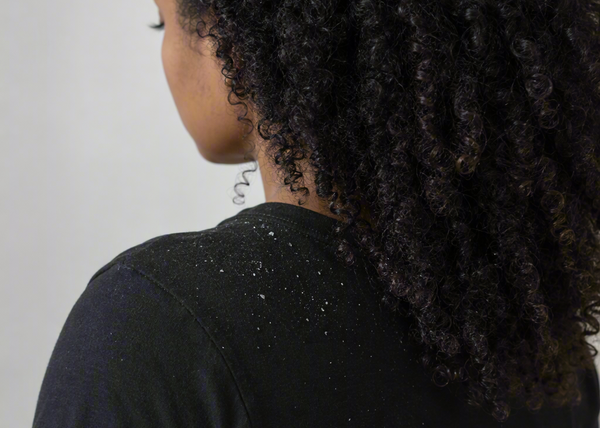
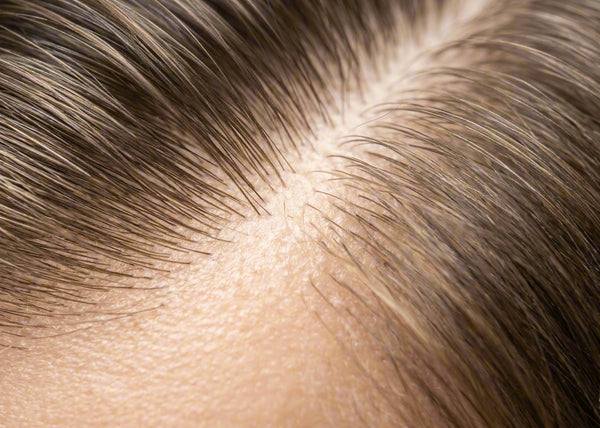
Flaking and tightness are often assumed to be signs of moisture starvation. In reality, recurring flakes are most commonly linked to an impaired scalp barrier fueled by Malassezia, a lipid-dependent yeast naturally present on the skin (Schwartz et al., 2013).
When Malassezia metabolizes scalp sebum, its byproducts trigger micro-inflammation and disrupt normal skin cell maturation (stratum corneum parakeratosis). This accelerated cell turnover weakens the lipid mortar holding your skin cells together. The scalp becomes porous, resulting in roughness, tightness, and flaking that feel identical to extreme dryness—even on an oily scalp.
The Role of TEWL: Why Compromised Scalps Can't Hold Water
To measure true scalp hydration, dermatologists assess Transepidermal Water Loss (TEWL)—the rate at which moisture escapes across the skin barrier into the environment.
- Intact Scalp Barrier:Healthy intercellular lipids prevent internal moisture from evaporating, keeping TEWL low.
Compromised Scalp Barrier: Disorganized stratum corneum lipids allow water to escape rapidly, leaving the tissue vulnerable (Harding et al., 2002).
Pouring raw plant oils over an inflamed scalp doesn't fix this leak; in fact, it can feed the very microbes perpetuating the irritation. To restore comfort, you have to stabilize the barrier so it can hold onto water on its own.
What the Clinical Trials Demonstrate
Multiple clinical evaluations challenge the notion that anti-dandruff shampoos inherently dry out the skin:
1. Zinc Pyrithione Boosts Hydration and Lowers TEWL
In a four-week, double-blind half-head clinical trial involving 145 women with dry scalp conditions, researchers compared a zinc pyrithione (ZPT) hair care system against a standard cosmetic shampoo and conditioner (Johnson et al., 2013). The results showed that the ZPT regimen produced statistically significant increases in scalp hydration and significant decreases in TEWL compared to the cosmetic system. Sealing the leak allowed the skin to retain moisture.
2. Clinical Regimens and Perceived Dryness
In an earlier comparative clinical study evaluated by Cardin et al. (1990), participants utilizing an evaluated Head & Shoulders shampoo-and-conditioning-rinse regimen containing zinc pyrithione reported less severe perceived scalp dryness and rated their overall scalp health higher than those using a competing zinc pyrithione formulation.
3. The Danger of Prematurely Stopping Treatment
A clinical study by Locker et al. (2025) followed adults who switched from an active anti-dandruff shampoo to a non-active cosmetic formula. Within just three days of stopping, subclinical inflammatory markers (including histamine and complement C3) began to climb, and barrier function deteriorated—well before visible flaking returned weeks later. Consistent treatment is essential to maintain barrier defense.
Building a Moisture-Retaining Scalp Routine
Achieving a comfortable, flake-free scalp requires balance, proper formulation, and steady maintenance:
Use System-Matched Conditioning
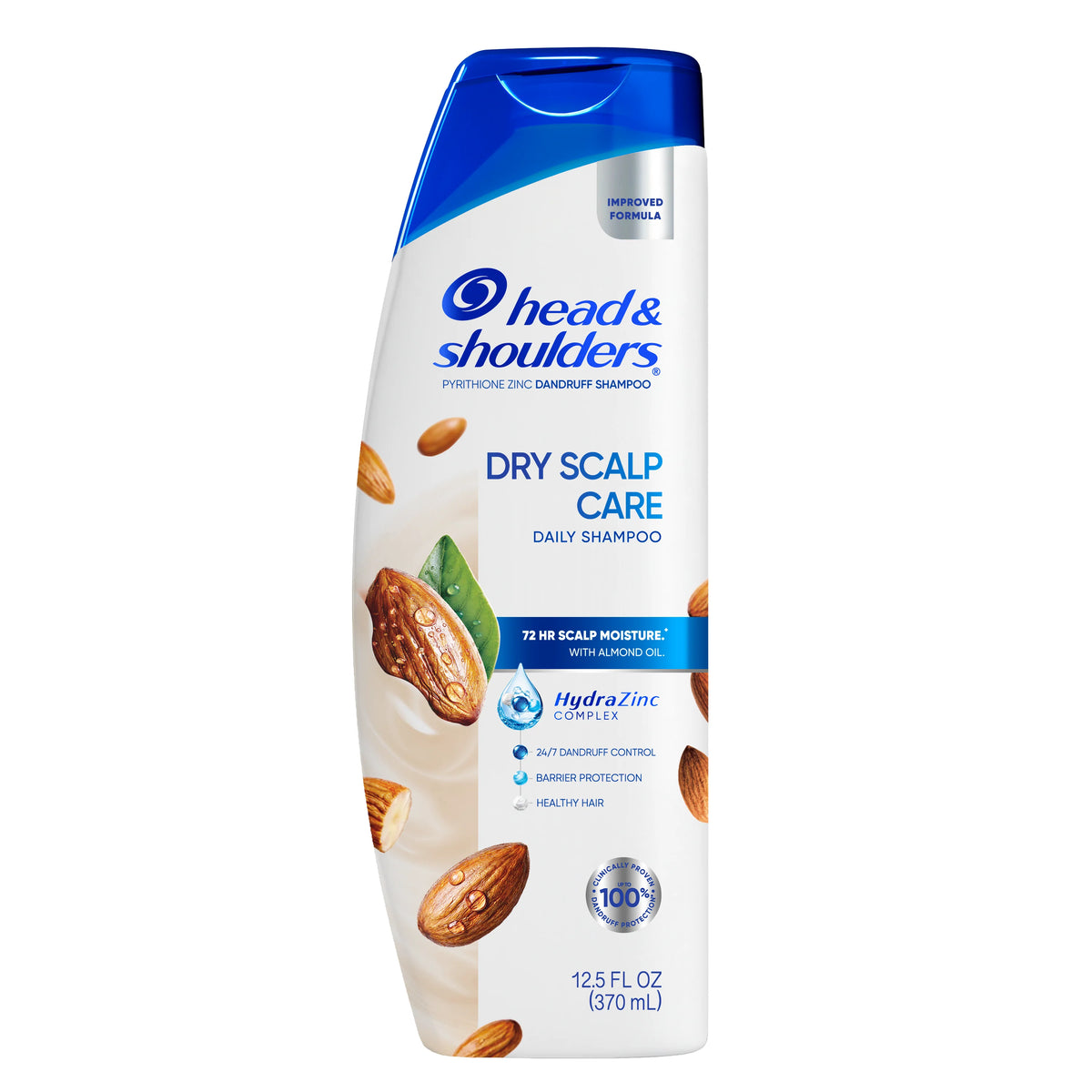
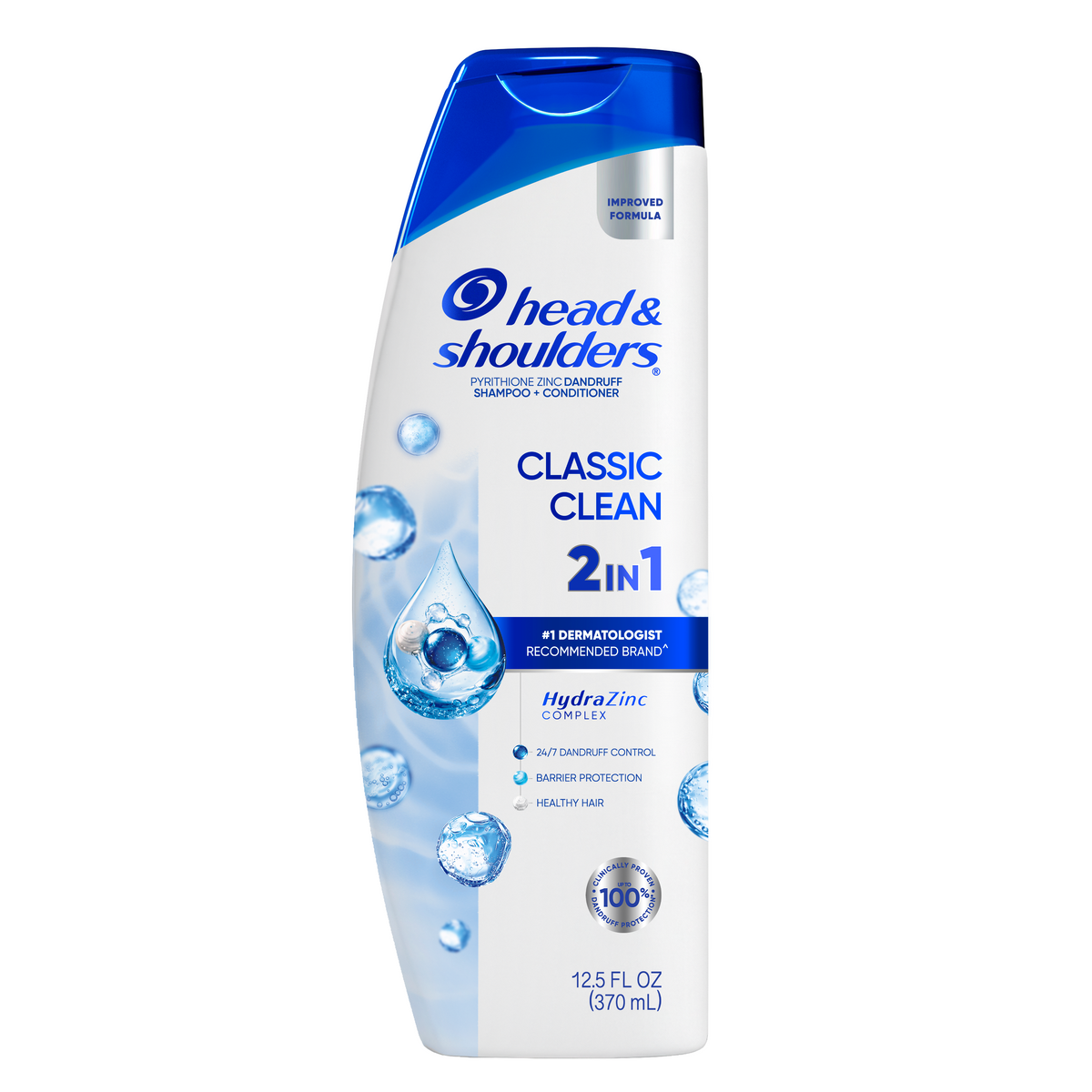
Standard cosmetic conditioners are often formulated solely for hair strands and can dilute anti-dandruff actives if rinsed across the scalp. Look for complete dual regimens, such as the Head & Shoulders Deep Moisture or Head & Shoulders Clinical Strength systems, which combine active cleansers with scalp-compatible conditioners formulated to support hydration without washing away barrier protection.
Maintain Regular Wash Cadence
Because subclinical inflammation can rebound within days of discontinuing treatment (Locker et al., 2025), don't wait for visible flakes to reappear before reaching for your active cleanser. Use your targeted regimen 2 to 3 times per week to preserve barrier function.
Skip Heavy Raw Oils
Avoid applying raw coconut, olive, or castor oil directly to a flaking scalp. Instead, choose lightweight leave-in serums containing soothing, barrier-supportive ingredients like niacinamide, panthenol, or zinc.
Conclusion
A tight, flaky scalp is rarely suffering from a lack of oil—it is typically dealing with a breached barrier. By utilizing clinically validated actives like zinc pyrithione to control inflammation and lower transepidermal water loss, you can repair your scalp's protective seal and lock in long-term hydration from within.
Key References
- Cardin, C. W., et al. (1990). The antidandruff efficacy of Head and Shoulders rinse-in-shampoo (1% zinc pyrithione) and Head and Shoulders shampoo with conditioning rinse versus Merit regimen. The Nishinihon Journal of Dermatology, 52(6), 1208–1216.
- Harding, C. R., et al. (2002).Dandruff: a condition characterized by decreased levels of intercellular lipids in scalp stratum corneum and impaired barrier function. Archives of Dermatological Research, 294(5), 221–230.
- Johnson, E., et al. (2013).The effect of a novel zinc pyrithione hair care system on female scalp condition. Journal of the American Academy of Dermatology, 68(4, Suppl 1), AB109.
- Locker, K. C. S., et al. (2025). Understanding the dandruff flare-up: A cascade of measurable and perceptible changes to scalp health. International Journal of Cosmetic Science, 47(4), 703–717.
- Schwartz, J. R., et al. (2013). A comprehensive pathophysiology of dandruff and seborrheic dermatitis: Towards a more precise definition of scalp health. Acta Dermato-Venereologica, 93(2), 131–137.
FAQ
Can an anti-dandruff shampoo dry out my hair fibers?
While the active ingredients (like zinc pyrithione or selenium sulfide) work to calm the scalp, deeply cleansing surfactants can occasionally feel astringent on dry hair lengths. Focus your shampoo application on the roots and scalp, and follow with a moisturizing conditioner or mask on mid-lengths and ends.
Does dandruff shampoo actually dry out your scalp?
Not necessarily. The clinical findings summarized here indicate that targeted anti-dandruff care can support moisture retention. In the Head & Shoulders regimen study discussed above, participants reported less severe perceived scalp dryness than those using a competing zinc pyrithione formulation. These findings do not mean every formula will suit every scalp.
Why can flakes feel like dryness even on an oily scalp?
Recurring flakes can reflect barrier disruption and inflammation linked to Malassezia, rather than a simple lack of moisture. That is why even an oily scalp can feel tight and dry. A zinc pyrithione anti-dandruff formula from Head & Shoulders can help address dandruff rather than treating the flakes as dryness alone.
What is transepidermal water loss (TEWL), and why does it matter?
TEWL is the rate at which water escapes through the skin. When the scalp barrier is compromised, moisture escapes more easily. The zinc pyrithione system studied in this article reduced TEWL and improved hydration—supporting the rationale for targeted anti-dandruff care, such as a Head & Shoulders zinc pyrithione formula. The finding applies to the tested system, not necessarily every product.
How do I distinguish between dandruff and basic scalp dryness?
Simple dry scalp typically features tiny, white specks that brush off easily, usually without inflammation. Dandruff flakes tend to be larger and may occur alongside itching, redness, or oily roots, although symptoms can overlap. When dandruff is the cause, a Head & Shoulders anti-dandruff shampoo can help target the flakes; the brand's Deep Moisture range is one option discussed above for a moisture-focused routine.
How does Malassezia contribute to dandruff and irritation?
Malassezia metabolizes scalp sebum, and its byproducts can trigger inflammation and disrupt normal skin cell maturation. This can weaken the scalp barrier and contribute to flaking. Head & Shoulders formulas containing zinc pyrithione help control dandruff associated with this yeast, addressing a contributor to the flakes rather than simply adding moisture.
Can zinc pyrithione (ZPT) formulas improve scalp hydration?
A 4-week double-blind half-head trial cited here found a ZPT system increased scalp hydration and reduced TEWL versus a standard cosmetic shampoo/conditioner system.
When should I see a doctor?
If you experience persistent burning, swelling, open sores, or scaling that extends beyond the hairline, pause your routine and see a board-certified dermatologist to evaluate for psoriasis, contact dermatitis, or eczema.